Hey everyone, thanks for swinging by my corner of the internet – I’m Mia, one of the leads here at our mural wallpaper supplier (you can skip the fancy corporate names and stuff; I’m the gal who actually tests how our murals hold up when a customer accidentally spills iced coffee on them, more on that later). For the last seven years, I’ve helped pick, print, and ship thousands of murals – from beach scenes that get direct sun to kitchen murals near a stove that sometimes sputters, and hands down the number one question I get after a customer gets their install done isn’t “how do I hang it?” It’s “how do I keep this looking like new in a year, not crinkled or faded or marked with a kid’s crayon?” Mural Wallpaper
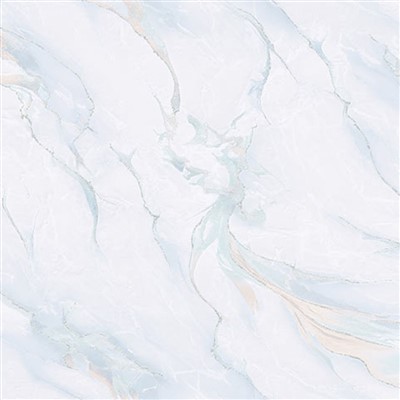
It’s such a good question because mural wallpaper isn’t like regular vinyl tile or a paint job you can just touch up with a roller. It’s a one-of-a-kind print, usually custom to a space, and a lot of people treat it like it’s just another wall covering until they make a small mistake that adds up fast. I’ve watched a customer ruin a breathtaking mountain mural by using a harsh chemical cleaner to scrub a handprint, and another one accidentally let a heating vent blow directly on their entryway mural that curled the edges by week three. Today I’m pulling together all the hard-earned lessons, from my own experiences and talking to installers who’ve fixed messy jobs, to keep your mural looking like the day it went up. Let’s break this down by category because different rooms mean different rules – that’s the biggest mistake people make, lumping all murals into one care routine.
First, let’s start with the most common threat: cleaning. This is where most people go wrong, and honestly, I get it. If you get a wine spill on your dining room mural or a toddler presses a cookie crumb into a entryway print, your first move is to grab whatever’s under the sink to wipe it away. Wrong. Our murals are printed with archival, fade-resistant inks designed to last 10+ years, but those inks aren’t indestructible, and the wallpaper material itself is usually a heavy-duty non-woven or vinyl blend (we only use high-quality substrates, no flimsy paper that tears at a light touch).
For regular, light dusting – that’s the stuff that builds up on any wall, especially a mural behind a couch or above a table – all you need is a soft, dry microfiber cloth, the kind you use for your eyeglasses or your phone screen. Never use a feather duster, by the way. Feather dusters leave tiny scratches on the print that make it look dull over time, and they can pull at the edges of the mural if you’re not gentle. If you have a high ceiling mural, use a soft-bristle dust mop (the kind with a detachable head so you don’t climb on a ladder with a cloth and slip) and run it along the surface in slow, straight strokes. No circular motions here – those can cause uneven wear in the print, and also make it look like dirt’s hidden in the lines.
Now for actual stains – this is the part I’ve fielded a hundred times. The golden rule: always test any cleaning product on a tiny, unseen part of the mural first. Before you even think about wiping a spill, lift a small corner of the mural (or if it’s a wall-to-wall install, check near the baseboard where the trim covers it) and put a drop of whatever cleaner you want to use on that hidden spot. Wait 10 minutes, wipe it off, and see if it fades the ink or discolors the wallpaper. If it’s fine, proceed.
For water-based stains – that’s coffee, juice, syrup, or even a kid’s washable crayon – the safest bet is a mix of warm water and a tiny drop of mild dish soap (the kind without added moisturizers or bleach, like basic Dawn original, no scented stuff). Dip a clean microfiber cloth in the mix, wring it out so it’s almost dry – so wet it doesn’t soak into the edges of the mural – and gently dab the stain. Never rub rubbing alcohol, bleach, glass cleaner, or any aerosol product (like hairspray) on a mural. Alcohol will dissolve the ink, bleach will fade the color unevenly, and aerosols can get trapped under the wallpaper and cause it to lift. I had a customer a few months back use window cleaner on her kitchen mural splattered with cooking oil, and within a week the blue in her sunset print turned splotchy and gray – she had to re-order half the wall, which was a bummer.
For oil-based stains – cooking grease, butter, that smudge from a hand after someone ate a taco – the process is a little different. Don’t use water here, that’ll set the grease. Instead, take a tiny amount of talcum powder or cornstarch, dust it lightly over the stain, and leave it for 24 hours. The powder will absorb the grease. Then just brush it off with a dry microfiber cloth. If that doesn’t work, go back to the dish soap and water mix, but make absolutely sure the cloth is super wrung out – no excess moisture. And again, test on a hidden spot first.
Next big section: environmental factors, because where you put your mural changes everything. I’ve had a lot of customers ask if murals fade, and the short answer is – it depends on where you hang it. Direct sunlight is the number one cause of fading in murals. I’m talking about murals on a wall that has big, unshaded windows facing south or west, where the sun hits that wall for 6+ hours a day. Even the best archival inks will start to fade unevenly after two years if they’re getting constant direct sun. The fix here isn’t to avoid murals on those walls, it’s to manage the sun. Hang UV-blocking window treatments – blackout curtains are overkill, but light-filtering cellular shades or UV-protective blinds will cut the sun’s harsh rays by 90% without making the room dark. Another trick: if you have sliding glass doors that hit your living room mural, keep a thin curtain pulled during the peak sun hours, usually 10 a.m. to 4 p.m. I actually suggest this to every customer ordering a mural for a sun-facing wall, and the ones who do tell me their murals still look vibrant after five years, easy.
Then there’s temperature and humidity. This is huge for bathrooms and kitchens, where humidity can jump when you take a hot shower or cook a big meal. Most mural wallpapers are moisture-resistant, but extremely high humidity for long periods can cause the edges to peel or the substrate to warp. In bathrooms, if you’re hanging a mural above the vanity or a wall that’s not right next to the shower, make sure your bathroom has an exhaust fan that runs while you’re showering and for 30 minutes after – that cuts down on excess moisture. In kitchens, don’t hang a mural directly above a stove where it’s getting constant heat from the burners. I recommend at least 18 inches of space between a stove or oven and a mural, or use a heat-resistant vinyl substrate (we offer this as an option, by the way, just ask when you order). And for heating vents or radiators? Never let a heating or cooling vent blow directly on the mural. That constant flow of air will dry out the edges, cause curling, and over time, pull the wallpaper away from the wall. It’s such a simple fix – just rearrange your furniture a little, or move the vent’s diverter, and you’ll avoid a lot of headaches.
Now for wear and tear, especially in high-traffic areas. Entryways, hallways, and playrooms – these murals get bumped, grabbed, leaned on. The first tip here is to get the right type of mural for the space. We offer a heavy-duty scrubbable vinyl option for high-traffic areas, which is thicker and more resistant to bumps and scuffs than our standard non-woven murals. I always recommend telling us what room the mural is going in when you order, because that lets us suggest the best substrate. If you put a delicate fine-art non-woven mural in a playroom, it’s going to get scuffed faster than a scrubbable vinyl one.
For minor scuffs – like a toddler’s toy scraping a corner of the hallway mural – just take the same warm water and mild dish soap mix we talked about for stains, dab it very gently with a barely damp cloth, and the scuff will lift. For deeper scratches or areas that have lifted at the edges, don’t try to pull the whole mural off and re-hang it – that’s a job for a professional, but if it’s a small edge, you can buy a small tube of wallpaper paste (we keep mini tubes available for customers who need touch-ups) and apply a tiny amount under the lifted edge with a toothpick, then press it down with a clean cloth and weight it with a book for a few hours. Just make sure you don’t use too much paste, or it will seep out and leave a mark on the mural.
One thing people don’t think about: furniture placement. If you’re putting a couch or bookshelf in front of a mural, leave at least 6 inches of space between the furniture and the wall, or make sure the back of the furniture is padded. If you press a heavy wooden bookshelf directly against a mural, the constant pressure will make the print fade unevenly over time, and you might get dents in the wallpaper. Also, never hang anything heavy on the mural itself – no nail holes, no shelves drilled into the print area. If you need to hang something on that wall, do it on the trim above or below the mural, or use small adhesive hooks that are designed for wallpaper, and place them in the blank wall area of the mural, not over a print. Drilling holes or using heavy adhesives will tear the wallpaper and ruin the print.
I’ve also got a few common mistakes I see all the time that you can avoid. First: using too much water when cleaning. I mentioned this earlier, but it’s worth repeating. Too much moisture can get under the edges of the mural and cause it to peel, especially if the mural is on an exterior wall or in a high-humidity space. Always wring your cloth until it’s almost dry, like when you’re wiping a plate, not dripping. Second: ignoring the manufacturer’s instructions. Wait, I know I’m the supplier, but I’m not just saying this to be annoying. We print and test our murals, and every order comes with a care card that has specific instructions based on the substrate. The scrubbable vinyl murals can handle a little more moisture, while the non-woven fine art murals need extra gentle cleaning. Reading that card will save you so much hassle. Third: waiting too long to clean stains. The longer a stain sits, the harder it is to get out. If you spill something on your mural, deal with it within 24 hours if you can – don’t let it sit for days.
Let me tell you a quick story to drive this home. Last year, a customer in Austin ordered a custom Texas hill country mural for her kitchen. She picked the standard non-woven substrate because she loved the matte finish, and forgot our tip about placing it away from the stove. Three months later, she emailed me panicking – there was a grease stain from a splatter that had turned into a dark spot, and the edge above the stove had curled. She tried using oven cleaner to scrub it, which made the bluebonnets look gray and faded. I sent her a mini tube of paste for the edge, walked her through how to dab the grease stain with the soapy water mix, and explained why the curl happened. She fixed the edge, the stain lifted, and now she keeps a splatter screen on her pan when she cooks, plus she has a small UV film on her window above the sink. Her mural is still looking like new a year later. That’s the kind of thing I love – helping customers fix small mistakes before they turn into big problems.
At the end of the day, mural wallpaper is an investment – it’s custom, it’s a statement piece for your home or office, and it’s way more personal than a generic paint job. The maintenance isn’t hard, it’s just about being gentle, matching the care to the space, and not using harsh chemicals or too much water. If you follow these tips, your mural will last 10, 15 even 20 years, and still make you smile every time you walk into the room.
If you’re thinking about ordering a custom mural for your home or business, whether it’s a bedroom landscape, a kitchen sunset, an office brand mural, or whatever you’ve got in mind, we’re here to help. We can talk through which substrate is best for your space, give you more specific care tips for your order, and walk through every step from design to installation. Just reach out to our team to start a conversation – we’ll answer all your questions, no pressure.
PVC Wallpaper References
- Wallpaper Manufacturers Association. (2022). Care and Maintenance of Digital Printed Wall Murals. Industry Guidelines for Residential and Commercial Applications.
- National Painters and Decorators Association. (2021). Environmental Factors Affecting Print Durability in Wall Coverings. Journal of Wall Covering and Finishing.
- Archival Print Council. (2020. Guidelines for Cleaning and Staining Removal on Archival Ink Wall Coverings. Professional Care Standards for Fine Art and Decorative Murals.
Taizhou Kiya Wallpaper Co., Ltd.
As one of the most professional mural wallpaper manufacturers and suppliers in China, we have world-leading production equipment and strong manufacturing capabilities. Please rest assured to wholesale high quality mural wallpaper for sale here from our factory. Contact us for pricelist.
Address: No. 252, Yongping Road, Xuzhuang Subdistrict, Gaogang District, Taizhou City
E-mail: 120624016@qq.com
WebSite: https://www.cn-kiya.com/
