Yo, what’s up! I’m an industry guy who runs a Pipe Extrusion Line supply biz. I get it – keeping a pipe extrusion line in tip – top shape can feel like a real headache. But don’t worry, I’m gonna share some solid tips on how to maintain your pipe extrusion line. Pipe Extrusion Line
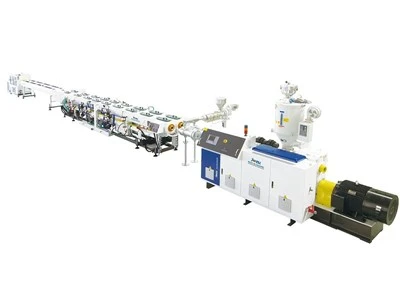
1. Regular Cleaning
First and foremost, cleaning is key. After each production run, you gotta clean the extrusion line thoroughly. The screw and barrel are the heart of the extrusion process. Over time, plastic residues can build up inside them. This buildup can mess with the flow of plastic, leading to inconsistent pipe quality and even damage to the equipment.
To clean the screw and barrel, you can use a special cleaning compound designed for plastic extrusion. Run the compound through the extruder at a low speed. This helps to break down and remove any stubborn plastic residues. Also, don’t forget to clean the die head. The die is what gives the pipe its shape. If it’s clogged with plastic, the pipe will come out with defects. Use a soft brush and some solvent to clean the die carefully.
The cooling tank is another area that needs regular cleaning. Water in the cooling tank can accumulate dirt, debris, and algae over time. This can affect the cooling efficiency and contaminate the pipes. Drain the water regularly, scrub the tank walls, and replace the water with clean water.
2. Lubrication
Lubrication is like giving your extrusion line a dose of good – health vitamins. All the moving parts in the extrusion line, such as bearings, gears, and chains, need proper lubrication. Without it, these parts will wear out quickly, leading to breakdowns and costly repairs.
Check the lubrication levels regularly. Different parts may require different types of lubricants, so make sure you’re using the right one. For example, high – speed bearings may need a special high – performance lubricant. Apply the lubricant according to the manufacturer’s recommendations. Too little lubrication won’t do the job, and too much can attract dirt and cause more problems.
3. Inspection of Electrical Components
The electrical system in a pipe extrusion line is super important. Faulty electrical components can cause all sorts of issues, from minor malfunctions to major breakdowns. So, you need to inspect the electrical components regularly.
Start by checking the wiring. Look for any frayed wires, loose connections, or signs of overheating. If you find any problems, fix them right away. A small wiring issue can turn into a big fire hazard if left unattended.
Inspect the control panels as well. Make sure all the switches, buttons, and indicators are working properly. The control panel is like the command center of the extrusion line, and any malfunction here can disrupt the entire production process.
4. Belt and Chain Tension Checks
Belts and chains are used to transfer power in the extrusion line. If they’re too loose or too tight, it can cause problems. A loose belt or chain may slip, reducing the efficiency of the equipment. On the other hand, a belt or chain that’s too tight can put extra stress on the bearings and other components, leading to premature wear.
Check the tension of the belts and chains regularly. You can usually adjust the tension by moving the pulleys or sprockets. Use a tension gauge to make sure you’re getting the right tension. It might take a bit of trial – and – error at first, but once you get the hang of it, it’ll be a breeze.
5. Calibration of Sensors and Instruments
The sensors and instruments in the pipe extrusion line are responsible for measuring things like temperature, pressure, and speed. If these sensors and instruments are not calibrated correctly, the extrusion process won’t be accurate.
For example, if the temperature sensor is off, the extruder may heat the plastic to the wrong temperature. This can result in pipes with poor mechanical properties. So, you need to calibrate the sensors and instruments at regular intervals. Follow the manufacturer’s instructions for calibration. It may involve using a reference standard or a calibration tool.
6. Preventive Maintenance Schedule
One of the best ways to keep your pipe extrusion line running smoothly is to have a preventive maintenance schedule. This schedule should outline all the maintenance tasks that need to be done, how often they should be done, and who is responsible for doing them.
For example, you might have daily tasks like checking the lubrication levels and cleaning the small parts. Weekly tasks could include inspecting the belts and chains, and monthly tasks might involve calibrating the sensors. Having a schedule helps you stay organized and ensures that no maintenance tasks are overlooked.
7. Training for Operators
Your operators play a crucial role in maintaining the pipe extrusion line. They’re the ones who are using the equipment every day, so they need to know how to take care of it properly.
Provide regular training to your operators. Teach them about the basic operation of the extrusion line, how to recognize signs of problems, and what to do in case of an emergency. A well – trained operator can spot small issues before they turn into big problems, saving you time and money in the long run.
8. Spare Parts Management
Having a good supply of spare parts is essential for minimizing downtime in case of a breakdown. Identify the critical spare parts for your pipe extrusion line, such as screws, barrels, heaters, and sensors. Keep a sufficient stock of these parts in your inventory.
But don’t just stock up on parts randomly. Keep track of the usage of spare parts and reorder them in a timely manner. Also, make sure to store the spare parts in a proper environment to prevent damage.
9. Monitoring and Data Analysis
In today’s tech – savvy world, you can use monitoring systems to keep an eye on the performance of your pipe extrusion line. These systems can collect data on things like temperature, pressure, speed, and power consumption.
Analyze this data regularly. Look for any trends or anomalies. For example, if you notice that the power consumption is gradually increasing, it could be a sign of a problem with the motor or other components. By detecting these issues early, you can take preventive action and avoid costly breakdowns.
10. Professional Servicing
Even if you do all the regular maintenance yourself, it’s still a good idea to have your pipe extrusion line serviced by a professional at least once a year. A professional technician has the expertise and tools to perform a comprehensive inspection and maintenance of the equipment.
They can identify potential problems that you might miss and perform more in – depth repairs and adjustments. This can help to extend the lifespan of your extrusion line and keep it running at its best.
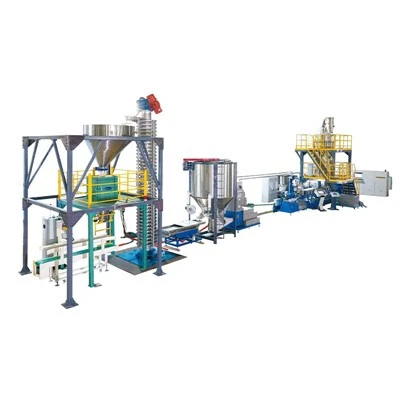
Well, there you have it – my top tips on how to maintain a pipe extrusion line. If you’re in the market for a new pipe extrusion line or need some advice on maintenance, don’t hesitate to reach out. We’re here to help you keep your production running smoothly and efficiently.
Pipe Extrusion Line References
- "Plastics Extrusion Technology Handbook"
- "Maintenance Best Practices for Industrial Equipment"
Zhejiang Jwell Pipe Equipment Co., Ltd.
As one of the most professional pipe extrusion line manufacturers and suppliers in China, we’re featured by quality products and good price. Please rest assured to buy cheap pipe extrusion line in stock here from our factory. Customized orders are welcome.
Address: No.128 Qingfeng Road, Xieqiao Town, Haining City, Jiaxing City, Zhejiang Province
E-mail: salaa@jwell.cn
WebSite: https://www.jwell-pipe.com/
