As a supplier of E bike frames, I’ve spent a significant amount of time exploring the ins and outs of these essential components. One critical aspect that often doesn’t get the spotlight it deserves is the role of the E bike frame in shock absorption. In this blog post, I’ll delve into this topic, sharing insights based on my experience and industry knowledge. E Bike Frame

The Basics of Shock Absorption in E Bikes
Before we dive into the role of the frame, it’s important to understand the concept of shock absorption in E bikes. Shock absorption is the process of reducing the impact forces transferred from the road surface to the rider and the bike’s components. When an E bike rides over rough terrain, such as potholes, gravel, or bumps, it encounters various forces that can cause discomfort, damage to the bike, and even affect the rider’s control.
Effective shock absorption is crucial for several reasons. Firstly, it enhances the rider’s comfort. By minimizing the vibrations and jolts, the rider can enjoy a smoother and more pleasant ride, especially on long – distance trips or rough roads. Secondly, it protects the bike’s components. Excessive shock can lead to premature wear and tear of parts like the drivetrain, wheels, and electronics. Finally, it improves the bike’s handling and stability. A well – damped bike is easier to control, allowing the rider to maintain better traction and maneuverability.
How the E Bike Frame Contributes to Shock Absorption
Material Selection
The choice of material for the E bike frame is one of the most fundamental factors in shock absorption. Different materials have different properties that affect how they absorb and dissipate energy.
-
Aluminum: Aluminum is a popular choice for E bike frames due to its lightweight, corrosion – resistant, and cost – effective nature. It has a relatively high stiffness, which means it can transfer forces quickly. However, aluminum frames can also transmit more vibrations to the rider compared to some other materials. To counter this, manufacturers often use specific tube shapes and wall thicknesses to improve shock absorption. For example, oval – shaped tubes or tubes with varying wall thicknesses can help to flex slightly under load, absorbing some of the impact energy.
-
Carbon Fiber: Carbon fiber frames offer excellent shock – absorbing properties. Carbon fiber is a composite material made of carbon fibers embedded in a resin matrix. It is strong, lightweight, and can be engineered to have specific stiffness and flexibility characteristics. Carbon fiber frames can be designed to dampen vibrations effectively because the material has a natural ability to absorb and dissipate energy. The fibers in the carbon fiber layup can be oriented in different directions to control how the frame responds to different types of forces, making it possible to optimize shock absorption for various riding conditions.
-
Steel: Steel frames are known for their durability and smooth ride quality. Steel has a high density, which allows it to absorb and dissipate shock energy effectively. The material has a certain amount of inherent flexibility, which helps to cushion the rider from bumps. However, steel frames are generally heavier than aluminum or carbon fiber frames, which can be a disadvantage in terms of energy consumption and maneuverability for E bikes.
Frame Geometry
The geometry of the E bike frame also plays a significant role in shock absorption.
-
Trail and Fork Angle: The trail is the distance between the point where the front wheel touches the ground and the point where the steering axis intersects the ground. A larger trail generally provides more stability but can also affect the bike’s ability to absorb shocks. A lower fork angle (more vertical) can increase the trail and make the bike more stable at high speeds. However, it may also transfer more shock to the rider. A more aggressive fork angle (less vertical) can reduce the trail and make the bike more responsive, and in some cases, it can help to absorb shocks better by allowing the front end to move more smoothly over irregularities.
-
Chainstay Length: The chainstay length is the distance between the bottom bracket and the rear axle. A longer chainstay can provide more stability but may reduce the bike’s maneuverability. In terms of shock absorption, a longer chainstay can act as a lever, helping to absorb some of the forces from the rear wheel. A shorter chainstay, on the other hand, can make the bike more agile but may transfer more shock to the rider.
-
Frame Compliance: Frame compliance refers to the frame’s ability to flex under load. A more compliant frame will absorb more shock and vibrations. Manufacturers can engineer compliance into the frame by adjusting tube shapes, wall thicknesses, and the use of materials. For example, a frame with thinner tubes or a design that allows for more bending in certain areas can increase compliance and improve shock absorption.
Integration with Suspension Systems
Many E bikes are equipped with suspension systems, either front forks, rear shocks, or both. The E bike frame plays a crucial role in integrating these suspension systems effectively.
-
Mounting Points: The frame must have proper mounting points for the suspension components. These mounting points need to be strong enough to withstand the forces exerted by the suspension system. For example, the front fork is mounted to the head tube of the frame, and the rear shock is attached to the seatstay and chainstay. If the mounting points are not well – designed or engineered, it can lead to poor shock absorption performance and even premature failure of the suspension components.
-
Frame Flex and Suspension Interaction: The frame’s flexibility can interact with the suspension system. A frame that is too stiff may not allow the suspension to work to its full potential, as it can transfer too much force directly to the rider. On the other hand, a frame that is too flexible may not provide enough support for the suspension, leading to a loss of control and stability. A well – designed frame will have the right balance of stiffness and flexibility to work in harmony with the suspension system, maximizing shock absorption.
Benefits of a Well – Designed E Bike Frame for Shock Absorption
Enhanced Rider Experience
A frame that effectively absorbs shocks provides a much more comfortable ride. Riders can focus on enjoying the scenery and the ride itself, rather than being distracted by the constant jolts and vibrations. This is especially important for long – distance riders or those who frequently ride on rough terrain.
Extended Component Lifespan
By reducing the impact forces on the bike’s components, a well – designed frame can significantly extend their lifespan. Components such as the wheels, gears, and brakes are less likely to experience premature wear and tear, saving the rider money on maintenance and replacement costs.
Improved Performance
A bike with good shock absorption is easier to control. The rider can maintain better traction on the road, especially when cornering or accelerating. This not only enhances safety but also allows the rider to push the bike to its limits, achieving better performance.
Why Choose Our E Bike Frames
As a leading supplier of E bike frames, we take pride in our commitment to providing high – quality products that excel in shock absorption. Our team of experienced engineers and designers uses the latest technology and materials to create frames that are lightweight, strong, and comfortable.
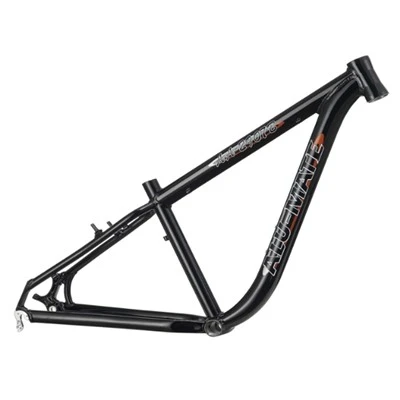
We offer a wide range of frame materials, including aluminum, carbon fiber, and steel, to meet the diverse needs of our customers. Our frames are carefully engineered with optimized geometry and compliance to ensure maximum shock absorption. We also work closely with suspension system manufacturers to ensure seamless integration of our frames with their products.
Gravel Bike Frame If you’re in the market for E bike frames that offer outstanding shock absorption performance, we’d love to hear from you. Whether you’re an E bike manufacturer looking to source high – quality frames or a retailer interested in expanding your product line, we can provide you with the perfect solution. Contact us to start a conversation about your specific requirements and let’s work together to create the ultimate E bike riding experience.
References
- Wilson, D. G., & Papadopoulos, J. M. (2004). Bicycling Science. The MIT Press.
- Wesselingh, F. P. (2008). The Handbook of Electric Bicycles. McGraw – Hill Education.
- Herlihy, D. (2004). Bicycle: The History. Yale University Press.
ALU-MATE Metal Industrial Co., Ltd.
As one of the most professional e bike frame manufacturers and suppliers in Taiwan, we have world-leading production equipment and strong manufacturing capabilities. We warmly welcome you to wholesale advanced e bike frame from our factory. Contact us for customized service and OEM service.
Address: NO.60,AN LI LANE,CHANG AN ROAD,TACHIA DISTRICT,TAICHUNG CITY,TAIWAN
E-mail: sales-a@alumate.com.tw
WebSite: https://www.alu-mate.com/
