Hey there folks! As a supplier of cladding bars for cathodes, I’ve been getting a lot of questions lately about the typical dimensions of these bars. So, I thought I’d do a deep dive into this topic and share some insights. Cladding Bar for Cathode
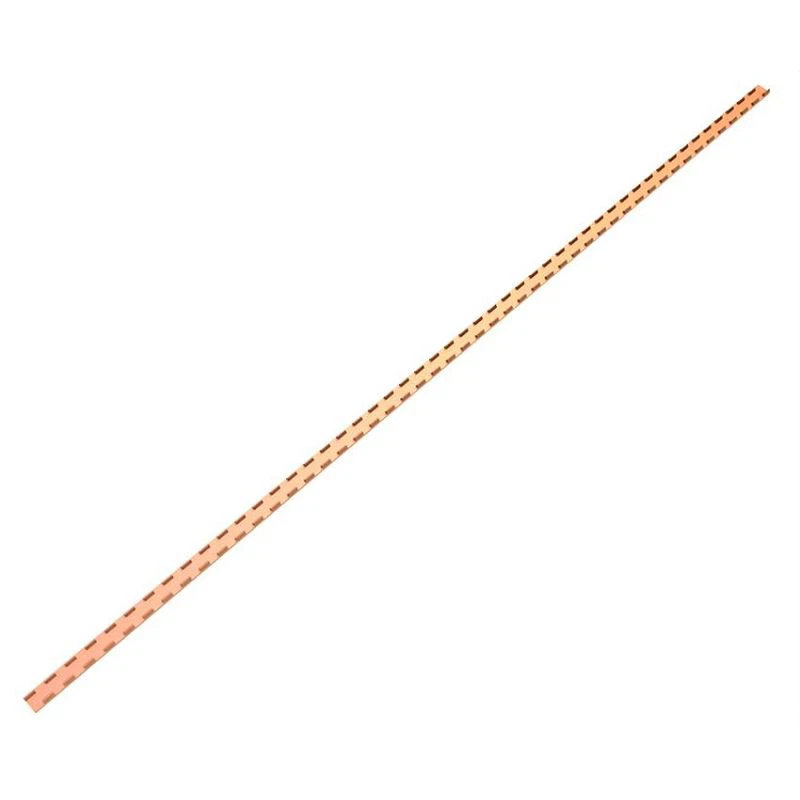
First off, let’s quickly understand what a cladding bar for a cathode is. In simple terms, a cathode cladding bar is a critical component in various electrochemical processes. It provides a stable surface for reactions and helps in conducting electricity efficiently. It’s used in industries like aluminum production, where electrolysis is the name of the game.
When it comes to the dimensions of these bars, there isn’t a one – size – fits – all answer. It depends on a bunch of factors, such as the specific application, the design of the cathode assembly, and the requirements of the overall electrochemical system.
Let’s start with the length. The length of a typical cladding bar can vary widely. For smaller – scale laboratory setups or experimental cathode designs, the length might be as short as 10 centimeters (about 4 inches). These short bars are handy when you’re testing new materials or exploring different reaction conditions on a small scale.
On the other hand, in large – scale industrial applications, like commercial aluminum smelters, the lengths can be significantly longer. I’ve seen cladding bars that are 2 meters (around 6.5 feet) or even more. Longer bars are used to cover a larger surface area of the cathode, which allows for more efficient electrolysis and higher production rates.
The width of the cladding bar also varies. Narrow bars, typically around 2 – 3 centimeters (less than an inch), are common in precision electrochemical applications where space is limited or where a focus on a specific area of the cathode is required. For example, in some battery – related research, these narrow bars can be used to study the behavior of the cathode at a very localized level.
In industrial settings where high – volume production is the goal, wider bars are often preferred. Widths can range from 5 to 10 centimeters (2 – 4 inches). The wider the bar, the more surface area it can provide for the electrochemical reactions, which means more ions can be exchanged and more product can be generated in a given time.
The thickness of the cladding bar is another important dimension. A very thin bar, say around 1 – 2 millimeters, might be used in applications where weight is a concern or where the bar needs to be flexible to some extent. For instance, in portable energy storage systems, thin cladding bars can help reduce the overall weight of the device.
However, in heavy – duty industrial applications, thicker bars are often used. Thicknesses can go up to 5 – 10 millimeters. Thicker bars are more robust and can withstand the harsh conditions of industrial electrolysis, such as high temperatures and corrosive chemicals.
Another thing to note is that the cross – section of the cladding bar can also vary. It’s commonly rectangular, but you might also see square or even circular cross – sections depending on the design of the cathode and the flow of reactants and products in the electrochemical cell.
When choosing the dimensions of a cladding bar for your cathode, it’s important to work closely with a knowledgeable supplier like me. I’ve been in this business for a long time, and I’ve seen firsthand how the right dimensions can make a huge difference in the performance of an electrochemical system.
For example, if you’re working on a new battery technology, you’ll want to consider the space available inside the battery enclosure, the amount of current you need to conduct, and the rate of the electrochemical reactions. Based on these factors, we can determine the optimal length, width, and thickness of the cladding bar.
In the case of aluminum smelters, the design of the electrolytic cell, the operating temperature, and the desired production capacity all play a role in deciding the dimensions of the cladding bar. We need to make sure that the bar can provide enough surface area for the aluminum ions to deposit on, while also being durable enough to withstand the high – temperature and corrosive environment.
Now, I know you might be thinking, "This all sounds great, but how do I know if these dimensions are right for my specific needs?" Well, that’s where my expertise comes in. I can help you analyze your requirements, take into account any design constraints, and recommend the best cladding bar dimensions for your cathode.
Whether you’re a researcher working on the next big thing in energy storage or an industrial operator looking to improve the efficiency of your production process, I’ve got the knowledge and the products to help you out.
If you’re interested in learning more about our cladding bars for cathodes or want to start a conversation about the right dimensions for your application, don’t hesitate to reach out. We can discuss your project in detail and figure out the best solutions together.

I’m always excited to work with new customers and help them find the perfect cladding bar for their cathode. Get in touch, and let’s make your electrochemical process more efficient!
PPO Insulating Edge Strips References
- Electrochemical Engineering Handbook, edited by P. N. Pintauro and I. D. Raistrick.
- Industrial Electrochemistry, by D. Pletcher and F. C. Walsh.
AATI Cathode Co., Ltd.
AATI Cathode Co., Ltd. is one of the leading cladding bar for cathode manufacturers and suppliers in China. We warmly welcome you to buy high-grade cladding bar for cathode made in China here from our factory. All customized products are with high quality and competitive price. Contact us for free sample.
Address: NO. 1, ZHENXING ROAD, BAOJI CITY, SHAANXI, CHINA
E-mail: ivy@bjaati.com
WebSite: https://www.bjcathode.com/
