In the dynamic landscape of industrial automation, Automated Storage and Retrieval Systems (ASRS) have emerged as a cornerstone of efficient warehouse management. These systems, characterized by their high – precision controls, rapid operation, and significant space – saving capabilities, are revolutionizing industries worldwide. As an ASRS supplier, one of the most common questions I encounter is: "Can an ASRS operate in a hazardous environment?" In this blog, we’ll delve deep into this question, exploring the technical, safety, and regulatory aspects. ASRS

Understanding Hazardous Environments
Hazardous environments can be broadly classified into several types, each presenting unique challenges to operating any machinery, including ASRS. Chemical processing plants are laden with volatile chemicals that can corrode equipment, cause explosions if exposed to a spark, or pose health risks to personnel. Mining sites are filled with dust, which can clog moving parts and electrical components, and they are also prone to seismic activities. Oil and gas refineries are flammable environments where a single electrical fault could lead to a catastrophic event.
In explosive atmospheres, the presence of flammable gases, mists, or dusts means that any equipment must be designed to prevent the ignition of these substances. In corrosive settings, the chemical agents can degrade the structural integrity of materials over time. Temperature – extreme environments, such as those in foundries or cold storage for food processing at very low temperatures, can affect the performance of mechanical and electrical components.
Technological Adaptations for Hazardous Environments
As an experienced ASRS supplier, we’ve engaged in extensive research and development to make our systems compatible with hazardous conditions. One of the first steps in this process is materials selection. For corrosive environments, we use stainless steel, coated carbon steel, or fiberglass – reinforced plastics (FRP). Stainless steel offers excellent corrosion resistance, especially in environments with exposure to acids, alkalis, and saltwater. FRP, on the other hand, is lightweight, strong, and highly resistant to a wide range of chemicals.
To prevent explosions in flammable atmospheres, our ASRS units are equipped with explosion – proof enclosures. These enclosures are designed to contain any internal explosion and prevent it from igniting the surrounding flammable mixture. They are constructed to withstand the pressure generated by an internal explosion and are sealed to prevent the ingress of explosive gases.
In dust – laden environments, we’ve implemented special dust – resistant features. Air – tight seals are added to prevent dust from entering sensitive components such as motors, sensors, and control cabinets. Filter systems are also installed to clean the air that circulates within the equipment, ensuring that the internal environment remains free of dust.
Temperature – extreme environments require thermal management solutions. In high – temperature settings, we use heat – resistant materials and install cooling systems such as fans or liquid – cooling units. In cold environments, we insulate the components and use heaters to maintain the operating temperature within an acceptable range.
Safety and Regulatory Compliance
Safety is our top priority, and in hazardous environments, compliance with strict regulations is non – negotiable. In the European Union, the ATEX directive sets the standards for equipment used in explosive atmospheres. Our ASRS systems designed for such environments are thoroughly tested to meet the requirements of ATEX, which includes requirements related to explosion prevention, protection, and mitigation.
In the United States, the National Fire Protection Association (NFPA) and the Occupational Safety and Health Administration (OSHA) have regulations governing the use of equipment in hazardous settings. We ensure that our systems comply with these regulations, which cover areas such as electrical safety, fire prevention, and the use of personal protective equipment.
Regular maintenance and inspections are also crucial in hazardous environments. Our maintenance teams are trained to follow strict safety protocols when servicing the ASRS. They use specialized equipment and follow detailed checklists to ensure that all components are in good working condition and that any potential safety hazards are identified and addressed promptly.
Real – World Examples and Case Studies
We’ve had the opportunity to install our ASRS systems in various hazardous environments. In a chemical processing plant, our ASRS was used to store and retrieve different types of chemicals. By using corrosion – resistant materials and explosion – proof enclosures, we were able to ensure the safe and efficient operation of the system. The customer reported a significant improvement in storage capacity and retrieval speed, along with a reduced risk of accidents.
In a mining operation, our dust – resistant ASRS helped to streamline the storage and handling of mining equipment and supplies. The air – tight seals and filter systems prevented dust from causing damage to the system, ensuring reliable performance even in the harsh mining environment. This led to increased productivity and reduced downtime.
Challenges and Limitations
While it is possible to operate an ASRS in a hazardous environment, there are still challenges and limitations. The cost of designing, manufacturing, and installing an ASRS for a hazardous environment is significantly higher than for a normal environment. The specialized materials, explosion – proof components, and compliance testing all contribute to the increased cost.
In some cases, the operation and maintenance of the ASRS may be more complex in a hazardous environment. The safety protocols and the need for specialized training can slow down the implementation process and increase the overall cost of ownership. Additionally, there may be limitations in terms of the system’s performance due to the constraints imposed by the hazardous conditions, such as reduced speed or capacity.
Conclusion and Call to Action
In conclusion, an ASRS can indeed operate in a hazardous environment with the right technological adaptations, strict safety measures, and regulatory compliance. As an ASRS supplier, we have the expertise and experience to design, manufacture, and install systems that can meet the unique challenges of these demanding environments.
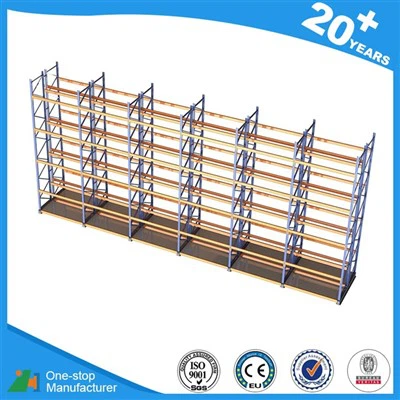
If you are considering implementing an ASRS in a hazardous environment for your business, we are here to help. Our team of experts can provide you with a customized solution based on your specific requirements and the nature of the hazardous environment. We offer a comprehensive service, from initial consultation and design to installation, commissioning, and after – sales support.
Narrow Aisle Racking Contact us today to start a conversation about how our ASRS can transform your operations in a hazardous environment. Whether you’re in the chemical, mining, or oil and gas industry, we have the knowledge and resources to deliver a reliable and efficient solution.
References
- ATEX Directive 2014/34/EU: Equipment and protective systems intended for use in potentially explosive atmospheres.
- National Fire Protection Association (NFPA) standards related to hazardous environments.
- Occupational Safety and Health Administration (OSHA) regulations for industrial equipment in hazardous settings.
Nanjing Jinhui Storage Equipment Co., Ltd.
Nanjing Jinhui Storage Equipment Co., Ltd. is one of the leading asrs manufacturers and suppliers in China, engaged in customized service. Feel free to buy the best quality asrs for sale here and get quotation from our factory. For price consultation, contact us.
Address: NO.22, Ankang Road, Guli concentrated zone, Nanjing City, China.
E-mail: export@jhrack.com
WebSite: https://www.cn-rack.com/
