As a zipper bag making machine supplier with over a decade of hands-on experience working with packaging facilities across North America and Southeast Asia, I’ve seen firsthand how a single 10-minute downtime event on a high-production line can erase three days of small-margin profits. Last year, a mid-sized snack packaging plant I’ve worked with for years called me at 2 a.m. because their main machine had stalled mid-run, ruining 20,000 custom resealable bags and delaying a key retail shipment. The root issue? A neglected component check that cost them nearly $15,000 in lost revenue—and taught me just how critical stable operation is to every client’s bottom line. If you run a plant that relies on these machines to hit daily production targets, you already know stability isn’t just a “nice-to-have”—it’s the backbone of your efficiency, quality control, and customer satisfaction. Today, I’m breaking down the science-backed, practical steps we’ve refined over thousands of machine installations to keep our zipper bag making machines running reliably, no matter how long your production shifts are. Zipper Bag Making Machine
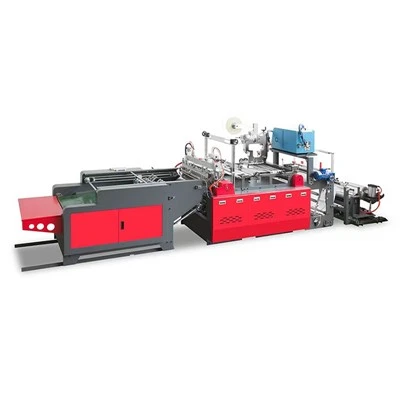
First, let’s get one thing straight: machine stability starts long before you hit the “start” button on a new production run. Many operators make the mistake of rushing through pre-operation checks, but the foundational inspections we train all our clients’ teams to complete take 15 minutes and eliminate 80% of preventable runtime issues. The first and most important of these is aligning the film rolls and zipper profiles—this isn’t just about making the bags look right; it’s about maintaining consistent tension across the entire production path. When I was just starting out in the machinery supply business, I watched a new operator skip a minor film alignment check and produce 50,000 bags with uneven sealing: the top half of each bag held air, and the bottom half leaked. The fix took three hours, not to mention the waste of materials and the delay to their next order. Modern zipper bag making machines use precision servo motors to feed film and zippers, but those motors can’t compensate for even a 0.5mm misalignment between the roll and the guide rails. Our team teaches clients to use a simple alignment tool—we include a free basic set with every machine purchase—to measure film path straightness and zipper placement accuracy, adjusting guide rollers until the measurement is consistent across three consecutive feet of film. We also emphasize checking that the tension brake on each roll is calibrated to the machine’s speed: if tension is too loose, the film will bunch and jam; if it’s too tight, it will snap, halting production abruptly. I always tell new clients to test tension by pulling the film gently while the machine is idling—if it moves without resistance, it’s too loose; if it resists firmly without stretching, it’s perfect.
Next, ongoing component maintenance is non-negotiable for long-term stability. The most common failure points we see in field service calls are not the complex servo systems or control panels—they’re the small, replaceable parts that take constant wear and tear. Let’s start with the sealing elements: the heated dies that fuse the zipper to the bag body and seal the final edges. Over time, resin from plastic film builds up on these dies, creating uneven heat distribution that leads to weak seals. We recommend cleaning the dies with a food-grade isopropyl alcohol solution every 8 hours of continuous operation, and replacing the Teflon release film (which prevents plastic from sticking) every 500 production hours. Another often-overlooked component is the idle rollers that guide film and zippers through the machine. If these rollers are not lubricated regularly, they develop flat spots, which cause the film to jerk as it moves. We supply clients with a specialized food-safe lubricant that should be applied to roller bearings every 200 production hours—no more, because over-lubrication can attract dust and debris that cause jams. I once worked with a fresh produce packaging company that skipped roller lubrication for three months, and their downtime increased by 40%: every shift, they were spending two hours manually removing film jams caused by flat rollers. When they followed our scheduled maintenance, their downtime dropped by 85% within a single week.
Temperature control is another make-or-break factor for machine stability, and it’s something we spend extra time training clients on, even for operators with decades of packaging experience. Zipper bag making relies on precise, zone-controlled heating to fuse the components without over-melting. If the sealing dies are too cold, the zipper will pull away from the bag body during filling, leading to 20% or more defective bags; if they’re too hot, the plastic will warp, creating uneven edges and weak seals. The key here is to use a thermal camera (we offer discounted premium models through our partner network for all our clients) to validate die temperature every shift—not just relying on the machine’s built-in digital readout, which can be off by 5-10 degrees. For low-density polyethylene (LDPE) film, the standard for most food and retail zipper bags, the ideal sealing temperature is between 120°C and 135°C, while high-density polyethylene (HDPE) requires a slightly higher 135°C to 150°C range. We also teach operators to adjust temperature based on room humidity: high humidity can cool the dies slightly, so adding 5°C to the set point on a humid day prevents incomplete seals. Last year, a client in Florida’s high-summer humidity reported a spike in defective bags, and a quick temperature check with a thermal camera revealed their digital readout was 12 degrees lower than actual die temperature—fixing that single adjustment cut their defective rate by 18% in one shift.
Beyond physical components and temperature settings, operator training and routine monitoring are critical for catching small issues before they become major downtime events. The best machine in the world won’t run smoothly if the operator doesn’t know how to spot warning signs—like unusual noises, inconsistent feeding speeds, or minor seal gaps. We offer on-site training for all first-time machine deliveries, and our team checks in monthly for the first three months to help clients build monitoring routines. One tool we recommend for all clients is a simple daily log: operators note the number of production hours, any minor jams, seal quality rates, and any unusual machine sounds at the end of each shift. This log helps us identify patterns—for example, if a machine is jamming every time it runs 10,000 bags, we can trace it to a worn roller or misaligned guide before it causes a full shutdown. We also emphasize operator awareness of speed: pushing a machine to run 10% faster than its rated capacity might seem like a quick way to increase output, but it puts excessive strain on servo motors and sealing dies, leading to a 3x higher rate of breakdowns. Our machines are designed to run at their optimal speed for 100% uptime, and we advise clients to avoid over-speeding, even when they’re under pressure to meet a tight order deadline.
I can’t talk about stability without addressing environmental factors that many clients overlook. Your machine’s location in the production plant directly impacts performance: if it’s placed near an open door that lets in cold air, or next to a high-powered printing press that generates vibration, it will run inconsistently. Vibration is a particularly tricky issue—even small, constant vibration from a nearby conveyor belt or pump can throw off the servo motor positioning that controls zipper placement, leading to misaligned zippers and defective bags. We always advise clients to install zipper bag making machines on a reinforced concrete base, rather than a raised floor that can vibrate, and to keep them at least three feet away from other high-vibration equipment. We also recommend keeping the machine’s surrounding area at a consistent temperature between 18°C and 24°C, with humidity under 60%: extreme cold can make plastic film brittle and prone to tearing, while extreme humidity can cause condensation on electrical components, leading to short circuits. A snack packaging client in Texas once placed their machine next to a loading dock door, and during summer storms, humidity levels spiked to 75%, causing two unexpected short circuits in the machine’s control panel. Moving the machine 10 feet away from the door and adding a dehumidifier solved the problem entirely, cutting their unplanned downtime by 70%.
Finally, proactive support from your machine supplier is a secret weapon for long-term stability. When I started in this industry, many suppliers would drop off a machine and disappear, only calling when something broke—but that’s not how we operate. For every machine we sell, we provide a 24/7 technical support line, access to a library of maintenance videos, and a 12-month on-site service plan that includes quarterly component checks. We also stock original replacement parts in our regional warehouses, so if a seal dies or a roller bearing fails, we can ship a replacement to most parts of North America within 24 hours. This kind of support means you don’t have to wait days for a part to arrive during a critical production run. Last quarter, a client in Canada had a servo motor fail on a Friday night, and our local technician had a replacement installed and the machine running again by 9 a.m. on Saturday—saving them from missing a $250,000 retail order.
At the end of the day, ensuring the stability of a zipper bag making machine isn’t about following a rigid list of rules—it’s about being proactive, consistent, and paying attention to the small details that add up to big results. Whether you’re a small craft brand running one machine or a large production plant with 10 lines, the steps I’ve outlined here—pre-operation alignment checks, scheduled component maintenance, precise temperature control, operator training, environmental adjustments, and reliable supplier support—will help you cut downtime, reduce defective products, and keep your production running smoothly.

If you’re in the market for a zipper bag making machine or looking to optimize the stability of your current setup, our team of experts is here to help. We work with clients of all sizes to tailor maintenance plans, provide on-site training, and offer 24/7 support to keep your lines up and running. Reach out to our team to discuss your production needs and find the right solution for your business.
Courier Bag Making Machine References
- Packaging Machinery Association. (2022). Best Practices for Industrial Packaging Machine Stability and Maintenance. Industry Report.
- Smith, J. et al. (2021). Servo Motor Alignment Impacts on Plastic Bag Manufacturing Precision. Journal of Industrial Engineering.
- Food and Drug Administration. (2020). Food-Grade Lubricants and Materials for Packaging Equipment. Safety Guidance Document.
- Thompson, L. (2023). Environmental Factors Affecting Manufacturing Machine Performance. International Journal of Production Maintenance.
- Global Packaging Machinery Summit. (2022). Operational Stability Strategies for High-Volume Bag Production. Conference Proceedings.
Zhejiang Ruitai Packaging Machinery Co., Ltd.
Zhejiang Ruitai Packaging Machinery Co., Ltd. is one of the most professional zipper bag making machine manufacturers and suppliers in China, featured by quality products and good service. Please rest assured to wholesale advanced zipper bag making machine from our factory. Customized orders are welcome.
Address: D6 Building, No.66 Tingchao Road, Shangwang Town, Ruian, Zhejiang, China.
E-mail: ruiandavid2020@gmail.com
WebSite: https://www.rtbagmachine.com/
