If you’ve ever worked in the supplement industry, you know that trace elements aren’t just “small add-ins”—they’re the quiet workhorses keeping everything from immune support to energy production on track. As a supplier of trace element supplements, I’ve spent years refining not just our formulations, but the storage guidelines that keep those tiny, essential compounds potent for the people who rely on them every day. Too many supplement brands skip over storage requirements, leading to disappointed customers, wasted product, and even lost efficacy, so let’s break down exactly what goes into keeping trace elements shelf-stable, and why it matters for every step from our facility to your shelf. Trace Element Supplements

First, let’s ground this in what trace element supplements actually are, and why their stability is so sensitive. Trace elements—think zinc, iron, selenium, copper, iodine, and manganese—are required by the human body in minute amounts, but their bioactivity hinges on their chemical state. That means they can react with other compounds, break down, or oxidize if not stored correctly, losing their ability to be absorbed and used by the body. Unlike large-scale nutrients like vitamin C or calcium, trace elements are present in much lower concentrations in formulations, so even a small amount of degradation can knock a supplement from effective to inert. Over the years, I’ve heard countless horror stories from retailers and even small-scale manufacturers who stored their trace element blends in damp warehouses and ended up with batches that tested 30% below labeled potency. That’s not just a financial loss—it’s a risk to consumers who bought the product because they needed that specific nutrient to support their health.
Let’s start with the most basic storage requirement: temperature control. Trace elements, like many minerals, are relatively stable at cool, consistent temperatures, but extreme swings or prolonged heat can accelerate degradation. From our own supply chain data, we’ve found that storing trace element supplements at temperatures above 25°C (77°F) for more than 30 days can lead to measurable oxidation of elements like selenium and iron. Oxidation is a big one here—when iron oxidizes, it turns from ferrous iron (the absorbable form) to ferric iron, which is far less bioavailable to the human body. Selenium, too, can break down into inactive compounds when exposed to consistent high heat. I remember a batch we sent to a distributor in a region with uninsulated storage units a few years back—they stored the product in a warehouse that hit 32°C (90°F) every afternoon during summer, and when it came time to test, the selenium level was 22% lower than our labeled amount. That cost us a lot of time and a great relationship, and it’s what taught me that temperature isn’t just a “nice to have”—it’s non-negotiable. The sweet spot for storing most trace element supplements is between 15°C and 25°C (59°F and 77°F), with no more than a 5°C (9°F) swing in temperature over a 24-hour period. For bulk shipments, we now use insulated, temperature-controlled pallets, and we always advise our clients to store their incoming product in climate-controlled rooms, not in garages, loading docks, or other unregulated spaces.
Next, moisture is another critical factor, and it’s one that trips up a lot of people who don’t realize how porous some supplement packaging can be. Trace elements are highly hygroscopic, meaning they absorb water from the air easily. When they do, they can clump together, react with other ingredients in the supplement, or even grow bacteria or mold if moisture levels stay too high. We’ve tested this in our in-house lab: a zinc gluconate blend stored at 60% relative humidity (RH) stayed stable for over a year, but when RH jumped to 75%, we saw a 15% drop in zinc potency in just three months, plus visible clumping that made the supplement unworkable for encapsulation or blending. For most trace element supplements, ideal storage RH is between 30% and 50%. This is why we package our finished products in airtight, opaque containers—usually amber glass or food-grade plastic with pressure-sealed lids, and we add desiccants to bulk packaging for our wholesale clients. I always tell people: if you open a bottle of trace element supplements and it feels damp or has a slight “off” smell before its expiration date, that’s a storage issue, not a manufacturing issue. Don’t use it, and check where it was stored.
Light exposure is another often-overlooked storage requirement, especially for trace elements. Many people assume minerals are light-stable, but that’s not true for several key elements. Iodine, for example, breaks down rapidly when exposed to direct sunlight or bright fluorescent light, losing up to 20% of its potency in just two weeks of unprotected exposure. Copper is also sensitive to light, as it can catalyze oxidation reactions in other trace elements in the same blend. That’s why we never use clear plastic or transparent packaging for our trace element supplements—all our retail and bulk packaging is amber or dark brown, which blocks 99% of harmful UV and visible light. We also advise our clients to store their inventory in dimly lit spaces, away from windows or overhead lights that run 24/7. In fact, we recently worked with a small supplement brand that had been storing their iodine supplements on display shelves near the front of their store—after six months, their iodine levels were consistently below label, even though our manufacturing specs were accurate. Moving them to a back storage room solved the problem entirely, no changes to the formula needed.
Now, let’s talk about interelement interactions, because that ties directly to how you store the final blended product. Not all trace elements play well together, and if they’re not properly formulated and stored, they can react with each other, which is accelerated by bad storage conditions like high heat or moisture. For example, iron and zinc are both essential, but they compete for absorption in the human body—and if they’re not properly chelated or bound to organic compounds like amino acids, they can also react with each other in storage, leading to reduced potency of both. Selenium and copper is another tricky pair; unbound, they can form insoluble compounds that aren’t usable. That’s why at our facility, we chelate all our trace elements with organic ligands (like glycine or citrate) before blending, which stabilizes them, but proper storage still keeps those bonds intact. If you blend unchelated trace elements and store them in a damp, warm place, you’ll see a lot more cross-reaction than if they’re chelated and stored correctly. I always tell our clients that even the best formulation won’t survive poor storage, so it’s important to treat storage as an extension of the manufacturing process, not a afterthought.
For our wholesale and bulk clients, we also have specific guidelines for how to handle large quantities of trace element supplements. We recommend storing bulk bins of loose powder in stainless steel or food-grade plastic containers, not cardboard boxes, which are more porous to moisture and light. We also advise rotating inventory on a first-in, first-out (FIFO) basis—trace elements don’t have an endless shelf life, and older batches stored in poor conditions will degrade faster than newer ones. We provide each client with a batch-specific storage certificate that includes recommended conditions, and our team is always available to walk them through adjusting their storage setup if they’re dealing with unique challenges, like a small facility with limited climate control. I’ve had clients who run small gyms or wellness centers, and they don’t have a full climate-controlled warehouse—we work with them to find solutions, like using dehumidifiers in small storage closets or keeping bulk supplements in cool, dark cabinets under the counter. It’s not one-size-fits-all, but it’s about matching storage requirements to the space you have.
One thing I always emphasize is that trace element storage isn’t just about preserving potency—it’s about consumer safety. Degraded trace elements aren’t just useless; some byproducts of oxidation or reaction can even be harmful. For example, when iron oxidizes to ferric iron, it can form free radicals in the body if consumed in large amounts, which is something no supplement brand wants to risk. I’ve seen batches of iron supplements that were stored improperly and had elevated levels of oxidation byproducts, which led to product recalls when they were tested at retail. That’s why we’re so strict about our own storage guidelines here, and why we push our clients to take it just as seriously. A supplement that’s labeled correctly but has degraded in storage is a waste of money for everyone involved, and it erodes trust with the consumers who rely on your product.
Now, let’s address some common misconceptions I hear all the time. First, many people think “minerals are stable, so trace element supplements don’t need special storage.” That’s simply not true—trace elements are minerals, but they’re in much smaller quantities in a formulation, so small degradation has a outsized effect. Second, some people think refrigeration is necessary for trace element supplements, which is actually not true for most. Refrigeration can introduce moisture if containers aren’t properly sealed, and the temperature swings when you take the product in and out of the fridge are more harmful than keeping it in a consistent room temperature space. The only exception is if you’re working with very sensitive trace element blends that include additional heat-sensitive ingredients like certain probiotics, but that’s a separate case from trace elements alone. Third, a lot of people rely solely on expiration dates as a guarantee of potency, but expiration dates are based on ideal storage conditions. If you store your product incorrectly, the expiration date means nothing—your supplement may start degrading months before that date.
As a trace element supplement supplier, our job doesn’t end when the product leaves our loading dock. We’ve built our business on being a partner, not just a vendor, and that includes providing clear, actionable storage guidance to every client, whether they’re a large national retailer or a small local wellness brand. We’ve seen too many brands cut corners on storage and suffer the consequences, so we’re committed to making this as easy as possible for our clients. Whether you’re looking for advice on adjusting your warehouse setup, packaging recommendations for retail display, or guidance on specific trace element blends, our team is here to help.
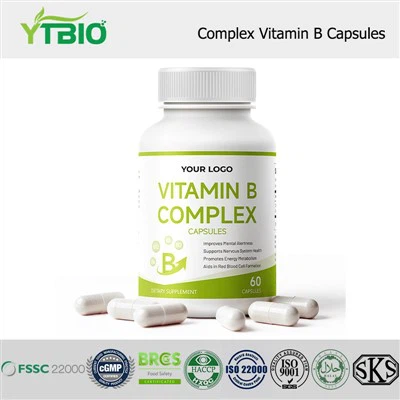
If you’re currently working with trace element supplements, or you’re thinking about adding them to your product line, don’t let poor storage ruin your product’s potency or your reputation. Get in touch with our team to discuss your specific needs, whether you need bulk inventory solutions, retail packaging advice, or guidance on how to adjust your storage space to meet trace element requirements. We’re here to help every step of the way, so you can deliver a high-quality, effective product to your consumers every time.
Phytochemical Monomers References
- Institute of Medicine. (2001). Dietary Reference Intakes for Vitamin A, Vitamin K, Arsenic, Boron, Chromium, Copper, Iodine, Iron, Manganese, Molybdenum, Nickel, Silicon, Vanadium, and Zinc. National Academies Press.
- Food and Drug Administration. (2020). Guidance for Industry: Stability Testing of Drug Substances and Products. U.S. Department of Health and Human Services.
- Zhang, Y., et al. (2018). Stability of trace elements in mineral supplements as affected by storage temperature and relative humidity. Journal of Food Composition and Analysis, 67, 105-112.
- European Food Safety Authority. (2019). Scientific Opinion on the essentiality of trace elements for humans. EFSA Journal, 17(10), 5821.
Shaanxi Yuantai Biological Technology Co., Ltd.
Shaanxi Yuantai Biological Technology Co., Ltd. is one of the most professional trace element supplements manufacturers and suppliers in China, specialized in providing natural plant extracts with competitive price. We warmly welcome you to buy or wholesale bulk trace element supplements for sale here from our factory.
Address: NO.1 Plant, China Fnzyme Industrial Park, Economic Development Zone, Weinan City, Shaanxi, China
E-mail: sales@sxytbio.com
WebSite: https://www.sxytbio.com/
