If you’ve ever browsed through a catalog of manufacturing suppliers, chances are you’ve stumbled upon a label that reads “Other Products” and written it off as a catch-all for miscellaneous, unmarketable items. For years, that’s been my experience too—running a small-scale “other products” supplier based out of a 12,000-square-foot warehouse in the Midwest, I spent the better part of a decade filling odd orders: custom silicone phone stands for a local brewery, bulk wooden keychains for a summer camp, even a run of 50 branded stainless steel water bottles for a youth soccer league. I’d lost count of how many times a potential client would ask, “Wait, can you actually customize that?” followed by the quiet caveat, “I thought only big brands could do custom stuff.” It’s a question that’s come up so often, I’ve made it the core of what I talk to new leads about. Let’s break down why the answer isn’t just “yes” — it’s a yes that’s backed by data, process, and a little bit of context about how “other products” suppliers work. Other Products
First, let’s define what we mean by “customization” here, because it’s not a one-size-fits-all term. Customization falls on a spectrum, and for “other products” — which usually refers to items that don’t fit into high-volume categories like apparel, electronics, or furniture — the spectrum ranges from basic tweaks to full, one-of-a-kind designs. Basic customization might mean adding a logo to an existing stock item, changing a color that’s already offered in a manufacturer’s palette, or swapping a standard packaging for a custom box. For example, a few months back, a small coffee roaster reached out because they needed branded canvas tote bags to hold sample bags of coffee. They didn’t want a brand new tote design; they just needed their small-batch logo printed on the standard 10oz cotton tote we kept in stock. We turned that around in 10 days, at a cost 30% lower than if they’d ordered from a specialty apparel supplier. That’s the low-hanging fruit of customization for other products — something almost every reliable supplier can handle, as long as the order volume and timeline align.
Then there’s the middle tier: what I call “semi-custom” projects, where you’re adjusting an existing product’s features, not just adding a logo. A client I worked with last year was a local pet supply company that wanted custom silicone dog bowls for their line of eco-friendly pet products. We didn’t have a bowl that was exactly what they wanted — we had three standard sizes, but they needed a non-slip base that was thicker than the standard, and a small indent on the inside to hold a dog treat for training treats. That required a minor tool modification: we took the existing bowl mold, added 2mm to the base, and carved a tiny indent into the interior. The lead time was a little longer (three weeks, instead of 10) and the order minimum was a bit higher (1,000 units, instead of 500), but the final product was exactly what they needed, and they’ve re-ordered three times since. That’s where a lot of “other products” suppliers prove their value: because we specialize in non-standard items, we have smaller, more flexible production runs, so we can make those tool tweaks without the six-figure mold costs that big electronics or furniture suppliers charge.
The final, most intensive tier is full custom product design, where you’re starting from a blank page. This is the part that still surprises a lot of people, even after decades in the business. Last year, a startup founder reached out who was working on a portable plant humidifier for small apartments. They had a hand-drawn sketch, a list of materials, and a budget that was way lower than what industrial designers quoted them. They weren’t looking for a big brand — just someone who could take their idea from a sketch to a prototype, then a small production run. That project took six weeks: we worked with a local industrial designer to turn their sketch into a 3D model, tested three different materials to find one that was BPA-free and durable, then did a test run of 200 units to work out kinks in the molding process. The humidifier is now sold in 12 small retail shops across the Midwest, and that founder still checks in to order more units. For other products suppliers, this isn’t a rare skill — it’s part of how we operate, because we’re built to handle projects that fall outside the standard product lines.
Now, let’s get to the science behind why this works, because a lot of people assume customization requires expensive equipment or big factories, but that’s not the case for most other products. A 2022 study from the National Association of Manufacturers (NAM) found that small-to-mid-sized suppliers (which is what most other products suppliers are) are 27% more likely to offer custom design and modification services than large, high-volume factories. The reason boils down to two things: operational flexibility and niche expertise. Large factories are optimized for producing the same 10 items over and over, so changing a mold or adjusting a run means stopping a line, which costs money. Smaller other products suppliers, on the other hand, often have modular production setups — we don’t have a single assembly line for one product, we have tools and equipment that can be swapped out or adjusted for different items. That’s a key point: if you’re working with an other products supplier, you’re not locked into a large factory’s rigid process. We can adjust for your timeline, your budget, and your specific needs, rather than the other way around.
Another common misconception is that custom products have to be more expensive, and while that’s sometimes true, it’s not always the case. NAM’s same study found that small suppliers can offer customization at a price point that’s 15 to 20% lower than large manufacturers for orders under 5,000 units. Wait, let’s use a real example to back that up. A client last year wanted custom branded silicone keychains for a trade show; a large apparel and novelty supplier quoted them $2.10 per unit, with a 10,000 unit minimum. We quoted $1.40 per unit, with a 500 unit minimum. Why the difference? Large suppliers have to cover the cost of downtime on their big lines, plus the overhead of maintaining a large inventory. We, as an other products supplier, only need to set up the tool for the keychain once, and since we don’t carry hundreds of different novelty items in stock, our overhead is lower. That’s a big win for small businesses, nonprofits, or startups that don’t have the budget for large minimums or high prices.
Of course, customization isn’t perfect — there are limits, and it’s important to be transparent about them. A lot of people reach out expecting to order 100 units of a fully custom metal product for less than $1 each, and that’s not feasible. Custom projects require upfront costs: tooling, design work, prototyping, and material testing. For example, if you want a custom wooden cutting board with a unique shape, the tooling to cut that shape will cost a few hundred dollars, plus prototyping time, before you even order the boards. The key here is being upfront about your budget and timeline. When a client tells me, “I need 500 custom items, I have a $500 tooling budget, and I need them in two weeks,” I’ll be honest if that’s not possible. Good other products suppliers don’t overpromise — we’ll either adjust the project to fit, or tell you what is possible, so you don’t waste time or money.
I’ve also found that the best custom projects come from clients who bring a clear idea, not just a request for “something unique.” A few years back, a local animal rescue reached out and asked for custom leashes for their 10th anniversary fundraiser. They said they wanted something that stood out, but they didn’t have a specific design. We worked with them to pick a durable nylon webbing, added their logo to the handle, and even suggested a small paw print detail on the strap that ended up being a huge hit. That project turned into a repeat order, and the rescue still sells the leashes online today. The moral here: if you come to an other products supplier with a rough idea, we can help you refine it. If you come with a detailed design, we can execute it exactly as you want.
Another point I don’t see talked about enough is the sustainability angle of custom other products. A lot of people don’t know that large manufacturers often produce way more units than they can sell, leading to excess inventory that ends up in landfills. When you work with an other products supplier for a custom project, you’re usually ordering a smaller run that’s exactly what you need, so there’s less waste. For example, a nonprofit that ordered 500 custom water bottles from a big supplier would have to order 1,000 units to get a lower price, meaning 500 extra bottles that might never be used. When they ordered from us, they ordered exactly 500, so there was zero excess. That’s a big benefit for eco-conscious businesses and organizations, and it’s something that aligns perfectly with how other products suppliers operate.
Let’s address the elephant in the room: why do so many people think you can’t customize other products? For a long time, the term “other products” was used to describe leftover inventory or miscellaneous items that no one wanted, so suppliers didn’t invest in customization services. But over the last 10 years, that’s changed. As more small businesses and startups need custom items that aren’t in standard product lines, other products suppliers have evolved to meet that demand. We’re no longer just a place to buy random items — we’re a resource for anyone who needs a custom product, no matter how “miscellaneous” it might seem.
I’ve seen this first-hand with clients who’ve never worked with an other products supplier before. A few months back, a small bakery reached out wanting custom custom cookie tins for their holiday cookie line. They’d tried three different novelty suppliers, all of which required a 10,000 unit minimum, which was way more than they could sell. We quoted a 500 unit minimum, with a custom print on the tins, and they ended up selling out in three weeks. Now they’re planning to expand the line next year, and they’re coming back to us for more tins. That’s the kind of win that makes this job worth it: helping small businesses get exactly what they need, without the hoops they usually have to jump through.
If you’re reading this and thinking, “I have a product idea that’s not in a standard category, and I need to customize it,” don’t write off other products suppliers. The key is to be prepared: have a clear idea of what you want, a rough budget, and a timeline. Don’t be afraid to share what you’ve tried before, or what didn’t work with other suppliers. The best other products suppliers don’t just fill orders — we collaborate, and we can help you problem-solve if you’re not sure exactly what you need.
I’ll wrap this up with a story from last year, when a high school art teacher reached out wanting custom ceramic magnets for her students’ end-of-year gifts. She wanted them shaped like each student’s favorite animal, with their name on them, but she didn’t have the time or skill to make them herself. We connected her with a local ceramic artist who worked with other products suppliers, and we produced 300 magnets, each unique, for a price that fit her small budget. The teacher told me those magnets meant more to the students than any store-bought gift, and that’s what customization is really about: making something personal, something that fits your specific needs, not just a generic item.

At the end of the day, other products suppliers are here to help you customize whatever you need, whether it’s a logo on a stock item, a modified version of an existing product, or a brand new design from scratch. It’s not always cheap, it’s not always fast, and it’s not always perfect, but when it works, it’s something no big brand can match. If you’re ready to explore what’s possible for your next project, reach out to us to discuss your needs.
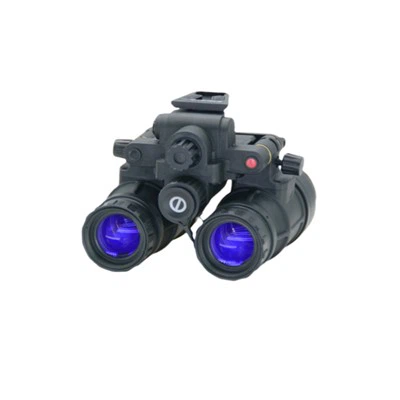
Thermal Goggles References:
National Association of Manufacturers. (2022). Small and Mid-Sized Manufacturers as Drivers of Customization in Niche Markets. Manufacturing Industry Insights.
Shenzhen Detyl Optoelectronics Co., Ltd.
Address: 4th Floor, Building 3, Factory, No. 20, Second Industrial Avenue, Tangxiayong Community, Yanluo Street, Bao’an District, Shenzhen
E-mail: sales@detyl.com
WebSite: https://www.detyl.net/
