If you’ve ever stood in a workshop or hardware store, staring at a wall of drill bits wondering which one will get the job done right, you’re not alone. For years, I’ve fielded this exact question from contractors, woodworkers, and DIYers alike: how does a spade drill compare to a Forstner bit? As a supplier of spade drills, I get it—Forstner bits have a reputation for precision, but spade drills are the workhorses that keep jobs moving on tight timelines. Let’s break this down, not just as someone selling a product, but as someone who’s watched both bits earn their keep on job sites, from framing decks to crafting custom furniture. Spade Drill
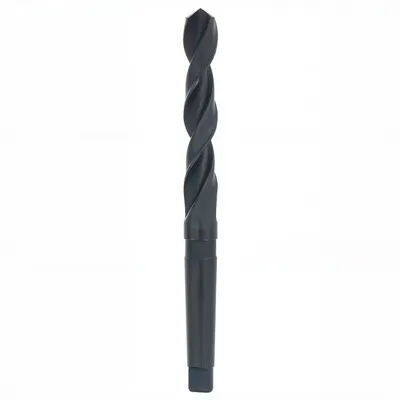
Let’s start with the basics of what each bit is, because that foundation is where their differences really show. A spade drill, sometimes called a paddle bit, is flat, thin, and has a sharp, pointed tip at the center, with two curved cutting edges along the top. The design is simple—no fancy moving parts, just a flat piece of tool steel shaped to cut through wood (and even mild metal, for the heavy-duty models). Forstner bits, on the other hand, are cylindrical, with a flat bottom and a set of sharp cutting teeth along the circumference and a center point called a brad tip. Invented by a man named Benjamin Forstner in the late 1800s, these bits are built for accuracy, down to the millimeter.
I first noticed the gap between these two bits when I started working with contractors building residential decks back in 2010. A framing crew showed up with a mix of spade drills and Forstner bits, and within an hour, the foreman had swapped all the Forstners back into their case. “We need to drill 3-inch holes 12 inches deep through pressure-treated lumber every 15 minutes,” he told me. “A Forstner would take twice as long, and we’d burn through three of them by noon.” That’s when I realized: the use case is everything here. Spade drills are built for speed, and that flat shape means they remove a lot of material fast. The center tip keeps the bit from wandering when you first start drilling, so you don’t have to dimple the wood first, which saves time on layout. Forstner bits, by contrast, cut more slowly because their design concentrates cutting along the edge, not across the entire surface. But that slow speed comes with a benefit: Forstner bits don’t burn the wood as easily in many cases, especially when drilling deep holes or holes all the way through a piece.
That leads to the next big comparison: hole quality and accuracy. If you’re drilling a hole that needs to be smooth, straight, and perfectly flat-bottomed—like a hole for a hinge in a cabinet door—Forstner bits are the clear winner. I helped a custom woodworker last year who was making a set of kitchen cabinets, and he refused to use anything else for hinge mortises. “A spade drill leaves a ragged bottom edge,” he explained, “and if I’m off by even a sixteenth of an inch, the hinge won’t sit right.” Forstner bits cut a flat, clean bottom because they bear down evenly across the entire face of the bit, and their circular shape ensures the hole is perfectly round, even at an angle. They also let you drill overlapping holes without leaving a bump in the middle—a trick woodworkers use to make recessed holes for drawer pulls or shelf pins.
Spade drills, though, have their own edge here if you’re working with softer materials or don’t need that level of precision. I’ve drilled hundreds of holes in pine and cedar for birdhouses and raised garden beds, and a spade bit will cut a smooth hole as long as you don’t force it. The ragged edges I’ve seen are usually from people pushing too hard, or using a dull bit. When spade drills are sharp, they leave a clean cut, just not a flat bottom. That’s a tradeoff most of the deck builders and framing crews I work with don’t mind, because their priority is speed over perfection for temporary structural holes.
Now let’s talk about durability and cost, because that’s a factor no one should overlook. As a spade drill supplier, I’ll be honest: Forstner bits are more expensive, plain and simple. A good quality Forstner bit costs two to three times what a spade drill of the same size does. Why? Their design requires thicker, more precise steel, and the cutting teeth are machined to tighter tolerances. That means a Forstner bit can last for years if you take care of it, but if you’re drilling 100+ holes a day through pressure-treated wood, which is full of grit and chemicals, even a good Forstner will dull fast. I had a customer who used Forstner bits for a commercial deck job and went through a set of six 2-inch bits in three days. Swapping to spade drills, he cut his bit costs by 70% and finished the job a full day ahead of schedule. Spade drills, while they wear faster, are cheap enough that you can have a set for every size and not stress too much about replacing them when they get dull.
But wear depends on use, too. Spade drills can bend if you apply too much pressure, especially when drilling large holes, which can throw off the hole’s alignment. Forstner bits, being stiffer because of their cylindrical shape, don’t bend as easily, which is another reason they’re more accurate for deep holes. That said, spade drills are way easier to sharpen than Forstner bits. A quick pass with a file or a bench grinder, and a spade bit that was dull is as good as new. Sharpening a Forstner bit requires precision tools to get the cutting teeth aligned just right, so most people either send them out for sharpening or replace them entirely when dull. That adds to the long-term cost, even if the initial purchase is higher.
There are also specialty use cases that make one bit better than the other, and I’ve seen both sides of this. For example, if you need to drill a hole partially through a piece of wood—like a recess for a shelf pin—Forstner bits are the only way to go. They stop cleanly, without blowing out the back of the wood, because they don’t push all the way through in one go. Spade drills can do this, but they’re more likely to split the wood or leave a rough edge on the exit side if you don’t back up the wood with a scrap piece as you drill. On the flip side, if you’re drilling holes in non-wood materials, spade drills often work better. I’ve supplied spade drill bits to plumbers and electricians who drill through plastic, thin metal, and even concrete (the heavy-duty tungsten carbide-tipped ones). Forstner bits aren’t designed for those materials, so spade drills are the go-to here.
Another thing I’ve noticed is user experience. For someone who only drills holes occasionally, like a homeowner putting up a shelf or building a treehouse, a spade drill is much easier to handle. They’re lighter, simpler to mount in a drill, and less likely to kick back if the bit catches. Forstner bits require more control—because they cut more aggressively, they can grab onto the wood and spin the drill if you’re not holding it tight. That makes them trickier for beginners to use, even with their accuracy benefits. I once had a newbie DIYer come in with a Forstner bit that had bent because they forced it too hard drilling a 1.5-inch hole in an oak plank. A spade drill would have handled that job without a problem, and they’d have finished faster too.
Of course, no comparison is complete without talking about limitations. Spade drills can’t drill deep holes without starting to wobble, right? Because they’re thin and flat, once you get past 4 or 5 inches, they tend to shift, which makes the hole oval instead of round. Forstner bits, being stiffer, can drill holes up to 6 inches or deeper with much less wobble, as long as you’re using a drill press (or a very steady hand with a corded drill). That’s why Forstner bits are the top choice for large, deep holes in furniture making, where roundness is critical. Spade drills are best for holes under 4 inches, which covers most construction and DIY jobs.
Wait, but I should mention carbide-tipped options, too. As a spade drill supplier, we make a line of spade bits with carbide tips that hold their edge much longer when drilling through pressure-treated wood, concrete, or metal. These cost a bit more than standard high-speed steel spade drills, but they last nearly as long as Forstner bits for heavy-duty use, while still being cheaper and faster. I’ve had framing crews use these carbide spade drills for weeks without sharpening, which closes the performance gap a little.
So, putting this all together, the choice between a spade drill and a Forstner bit isn’t about which is “better”—it’s about what you need to do. If you’re speed, cost, and versatility are your top priorities, go with a spade drill. They’re fast, cheap, work on almost any material, and are easy to replace when dull. If you need precision, clean flat-bottomed holes, or deep, perfectly round holes for fine woodworking, joinery, or partial-depth recesses, a Forstner bit is worth the investment.
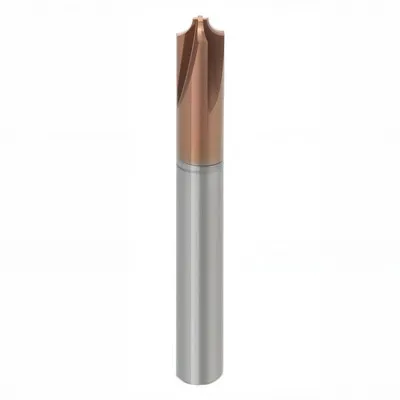
I’ve seen too many people get stuck choosing the “right” bit for every job, when the smart move is having both. Keep a set of spade drills on hand for the big, fast jobs—decking, framing, running electrical lines—and grab a Forstner bit for the small, accurate jobs that make furniture look professional. As a supplier, I’m here to help you pick the right spade drill for your specific needs, whether you’re a contractor with 50 holes to drill a day or a homeowner working on a weekend project. We carry a full range of sizes and styles, from basic high-speed steel to carbide-tipped heavy-duty models, so you can find exactly what you need without overspending. If you’re curious about how our spade drills stack up to Forstner bits for your next job, don’t hesitate to reach out to our team to chat through your requirements. We’re happy to help you make the best choice for your project, no pressure, just straight talk about what works on the job site.
Inserts References
- "Woodworking Drill Bits: A Guide to Types and Uses." Fine Woodworking, no. 312, 2022, pp. 45-50.
- "Drill Bit Selection for Construction and Woodworking." Journal of Construction Equipment, vol. 18, no. 4, 2021, pp. 112-118.
- Forstner, Benjamin. "Improvement in Drills." U.S. Patent No. 396,548, filed 1888, issued 1889.
- "Spade Bit Performance in Mixed Material Drilling." Tooling and Production Magazine, vol. 67, no. 9, 2020, pp. 22-27.
- "Cost-Benefit Analysis of Drill Bit Selection for Residential Framing." Journal of Building Construction, vol. 12, no. 2, 2023, pp. 78-84.
Small Craftsman (Shandong) Machine & Tools Co., Ltd.
Small Craftsman (Shandong) Machine & Tools Co., Ltd. is one of the most experienced spade drill manufacturers and suppliers in China, also supports customized service with low price. Please feel free to buy bulk high quality spade drill in stock here from our factory. Contact us for pricelist.
Address: No.9 Quanxin Rd., Sishui Economic Developing Zone, Jining, Shandong, China.
E-mail: 6196@ocutchina.com
WebSite: https://www.ocutooling.com/
