Surface roughness is a critical factor in the manufacturing of stamped metal parts. As a supplier of stamped metal parts, I’ve encountered numerous inquiries regarding the surface roughness requirements for these components. In this blog, I’ll delve into what surface roughness is, why it matters for stamped metal parts, the typical requirements, and how we as a supplier ensure these requirements are met. Stamped Metal Parts

Understanding Surface Roughness
Surface roughness refers to the irregularities on the surface of a material. These irregularities can be microscopic peaks and valleys that occur due to the manufacturing process. In the context of stamped metal parts, surface roughness is measured in terms of the height and spacing of these peaks and valleys. The most common parameter used to quantify surface roughness is Ra (arithmetical mean deviation of the assessed profile). It represents the average value of the absolute vertical deviations of the roughness profile from the mean line within the sampling length.
The surface roughness of a stamped metal part is influenced by several factors. The type of metal used plays a significant role. For example, softer metals like aluminum may have a different surface finish compared to harder metals like steel during the stamping process. The stamping die itself also affects the surface roughness. A well – maintained and properly designed die can produce parts with a smoother surface, while a worn – out or poorly designed die may result in a rougher finish. Additionally, the stamping process parameters such as the stamping force, speed, and lubrication can impact the final surface roughness of the part.
Why Surface Roughness Matters for Stamped Metal Parts
The surface roughness of stamped metal parts has a profound impact on their functionality, performance, and appearance.
Functionality
In many applications, the surface roughness of a stamped metal part can affect its ability to perform its intended function. For instance, in automotive applications, stamped metal parts such as engine components or transmission parts need to have a specific surface roughness to ensure proper sealing and reduced friction. A rough surface can lead to leaks in seals, which can cause engine malfunctions or reduce the efficiency of the transmission. In electrical applications, the surface roughness of stamped metal contacts can affect the electrical conductivity. A rough surface may increase the contact resistance, leading to power losses and potential overheating.
Performance
The performance of stamped metal parts in terms of wear and corrosion resistance is also related to surface roughness. A smoother surface generally has better wear resistance because there are fewer sharp peaks that can be easily worn away. In corrosive environments, a rough surface provides more areas for corrosion to start. The peaks and valleys on the surface can trap moisture and corrosive agents, accelerating the corrosion process. Therefore, controlling the surface roughness can enhance the durability and lifespan of the stamped metal parts.
Appearance
The appearance of stamped metal parts is crucial, especially for consumer products. A smooth and uniform surface finish gives the parts a high – quality look. In industries such as electronics and furniture, the surface roughness of stamped metal parts can significantly impact the overall aesthetic appeal of the final product. Customers often associate a smooth surface with a well – made and reliable product.
Typical Surface Roughness Requirements
The surface roughness requirements for stamped metal parts vary depending on the application. Here are some common scenarios:
General Industrial Applications
For general industrial applications where the stamped metal parts are used in non – critical components, the surface roughness requirement may be relatively lenient. An Ra value of around 3.2 to 6.3 micrometers is often acceptable. These parts may be used in enclosures, brackets, or structural components where the main focus is on the mechanical strength rather than the surface finish.
Automotive Applications
In the automotive industry, the surface roughness requirements are more stringent. For engine components such as pistons and cylinder liners, an Ra value of 0.2 to 0.8 micrometers is typically required. This ensures proper sealing and reduced friction, which is essential for the efficient operation of the engine. For body panels, the surface roughness should be even lower, usually around 0.1 to 0.4 micrometers, to achieve a smooth and aesthetically pleasing appearance.
Electrical Applications
In electrical applications, the surface roughness of stamped metal contacts is critical. For low – voltage applications, an Ra value of 0.4 to 1.6 micrometers is often sufficient. However, for high – voltage and high – current applications, the surface roughness needs to be as low as 0.1 to 0.2 micrometers to minimize the contact resistance and ensure reliable electrical performance.
How We Ensure Surface Roughness Requirements Are Met
As a stamped metal parts supplier, we have a comprehensive quality control system in place to ensure that the surface roughness requirements of our customers are met.
Die Design and Maintenance
We pay close attention to the design and maintenance of our stamping dies. Our experienced die designers use advanced software to optimize the die geometry, which helps in achieving a smooth surface finish on the stamped parts. We also have a regular maintenance schedule for our dies. This includes cleaning, polishing, and replacing worn – out parts. By keeping the dies in good condition, we can consistently produce parts with the desired surface roughness.
Process Optimization
We continuously optimize our stamping process parameters to control the surface roughness. We carefully select the stamping force, speed, and lubrication based on the type of metal and the surface roughness requirements. For example, using a higher stamping force may result in a smoother surface in some cases, but it also needs to be balanced with the risk of material deformation. We conduct extensive testing and experimentation to find the optimal process parameters for each specific part.
Quality Inspection
We have a dedicated quality control team that conducts thorough inspections of the stamped metal parts. We use advanced surface roughness measurement equipment, such as profilometers, to measure the Ra value of the parts. The parts are inspected at multiple stages of the production process, from the raw material to the finished product. If the surface roughness does not meet the requirements, we take immediate corrective actions, such as adjusting the process parameters or re – working the parts.
Conclusion
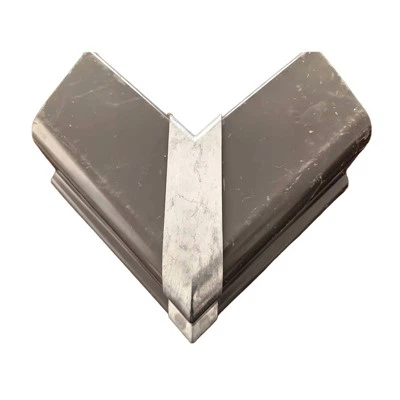
Surface roughness is a vital aspect of stamped metal parts manufacturing. It affects the functionality, performance, and appearance of the parts. As a stamped metal parts supplier, we understand the importance of meeting the surface roughness requirements of our customers. By focusing on die design and maintenance, process optimization, and quality inspection, we can ensure that our stamped metal parts meet the highest standards.
Stamped Parts If you are in the market for high – quality stamped metal parts with specific surface roughness requirements, we would be delighted to discuss your needs. Our team of experts is ready to provide you with customized solutions and excellent service. Reach out to us to start a procurement discussion and discover how we can meet your stamped metal parts requirements.
References
- "Manufacturing Engineering and Technology" by Serope Kalpakjian and Steven R. Schmid
- "Metal Forming: Mechanics and Metallurgy" by George E. Dieter
- Industry standards and specifications for stamped metal parts from relevant organizations.
Yuyao Aozhou Metal Products Co., Ltd.
We are one of the most experienced stamped metal parts manufacturers and suppliers in China. With a professional production team, we are able to meet the needs of the majority of our customers. Please rest assured to buy customized stamped metal parts made in China here from our factory.
Address: No.6, Nanbailonggang, Wuma Industrial Zone, Lubu Town, Yuyao City
E-mail: xqr-2316@163.com
WebSite: https://www.cnaozhou.com/
