Yo, what’s up everyone! I’m the guy behind a precision machined parts supply business. Over the years in this game, I’ve seen firsthand how the demand for high – quality precision parts is skyrocketing, and the level of automation in production is becoming a real game – changer. So, today I wanna share some tips on how to improve the automation level of precision machined parts production. Precision Machined Parts

First off, let’s talk about why automation is such a big deal. In precision machining, accuracy and consistency are key. Automated systems can perform tasks over and over again with the same level of precision, which is almost impossible for human operators to achieve consistently. They can run 24/7 without getting tired, and they’re also less likely to make mistakes due to factors like fatigue, distraction, or human error. On top of that, automation can significantly reduce production time. You know, in a highly competitive market, being able to deliver products faster can give you a huge edge.
One of the first steps to boosting automation is to invest in advanced CNC (Computer Numerical Control) machines. CNC machines are like the heart of modern precision machining. These things use computer programs to control the movement of cutting tools and the workpiece. They can handle complex geometries with ease, and they’re super accurate. You can program a CNC machine to make a specific part, and it’ll keep churning out identical copies.
When you’re looking to buy CNC machines, don’t go for the cheapest option just to save a few bucks. Look for machines with high – end features like advanced control systems, high – speed spindles, and multi – axis capabilities. These features can make a big difference in the quality and efficiency of your production. For example, a 5 – axis CNC machine can move the cutting tool in five different directions, allowing you to create parts with more complex shapes in a single setup. That means less time spent on re – positioning the workpiece and fewer errors.
But having great machines isn’t enough. You also need to use the right software. CAM (Computer – Aided Manufacturing) software is a must – have. This software allows you to create NC (Numerical Control) programs that tell your CNC machines what to do. With CAM software, you can design a part on your computer and then generate a program that the CNC machine can read. It takes into account things like tool paths, cutting speeds, and feed rates.
There are a lot of CAM software options out there, so you need to find one that fits your specific needs. Some software is better for simple parts, while others are more suitable for complex aerospace or medical components. You should also look for software that’s easy to use and can integrate well with your existing systems. This way, you can streamline your production process and reduce the chance of errors.
Another important aspect of improving automation is to implement a robotic system. Robots can be used for a variety of tasks in precision machining, such as loading and unloading workpieces, tool changing, and inspection. Robots are incredibly fast and accurate. They can pick up a workpiece from a conveyor belt, place it on the CNC machine, and then unload it once the machining is done. This eliminates the need for human operators to perform these repetitive tasks, which can free them up to focus on more complex jobs.
When choosing a robotic system, consider the payload capacity, reach, and accuracy. You want a robot that can handle the weight of your workpieces and can reach all the necessary areas of your machining equipment. And of course, accuracy is crucial to ensure that the parts are loaded and unloaded correctly every time. Some robots also come with advanced features like vision systems, which can detect the position and orientation of workpieces, making the loading and unloading process even more precise.
In addition to hardware and software upgrades, you should also focus on data collection and analysis. In the age of Industry 4.0, data is king. By collecting data from your CNC machines, robots, and other production equipment, you can gain valuable insights into your production process. You can track things like machine performance, tool wear, and production rates.
For example, if you notice that a particular CNC machine is experiencing more downtime than usual, you can analyze the data to find out why. It could be due to a problem with the tool, a software glitch, or a mechanical issue. Once you identify the problem, you can take corrective action to prevent it from happening again. Data analysis can also help you optimize your production process. You can identify bottlenecks and inefficiencies and make changes to improve productivity.
To collect data effectively, you’ll need to set up sensors on your equipment. These sensors can measure things like temperature, vibration, and pressure. You can then use a data – management system to store and analyze the data. There are a lot of off – the – shelf data – management solutions available, or you can develop a custom system if you have the resources.
Training your staff is also a vital part of improving automation. Even though you’re implementing automated systems, your employees still play a crucial role. They need to know how to operate, maintain, and troubleshoot the new equipment and software. You should provide comprehensive training programs for your employees, covering everything from basic machine operation to advanced programming and maintenance.
Encourage your employees to learn new skills and stay up – to – date with the latest technology trends in precision machining. You can offer incentives like bonuses or promotions for employees who complete additional training courses. This not only helps your employees grow professionally but also ensures that your production process runs smoothly.
Finally, don’t forget about continuous improvement. The world of precision machining is constantly evolving, and new technologies are emerging all the time. You need to stay on top of these trends and be willing to invest in new equipment and software as needed. Regularly review your production process and look for ways to make it more efficient and automated.
In conclusion, improving the automation level of precision machined parts production is a multi – faceted process. It involves investing in advanced equipment, using the right software, implementing robotic systems, collecting and analyzing data, training your staff, and continuously looking for ways to improve. By taking these steps, you can increase the quality and efficiency of your production, reduce costs, and stay competitive in the market.
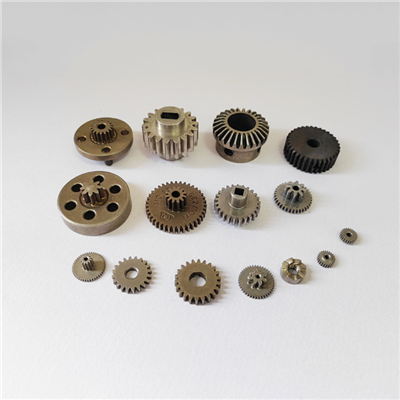
If you’re in the market for precision machined parts or are interested in learning more about how we can help you with your production needs, don’t hesitate to reach out. We’re always happy to talk about how we can work together to meet your requirements.
Precision Disc Parts Machining References
- "Precision Machining Technology" by John A. Schey
- "Automation, Production Systems, and Computer – Integrated Manufacturing" by Mikell P. Groover
Taizhou Liuhuan Machinery Co., Ltd.
As one of the most professional precision machined parts manufacturers and suppliers in China, we’re featured by quality products and good service. Please rest assured to buy customized precision machined parts made in China here from our factory. For quotation, contact us now.
Address: Xinyuan Industrial Zone, Damaiyu Street, Yuhuan City, Zhejiang Province,China
E-mail: tzlhmachining@gmail.com
WebSite: https://www.tzlhmachining.com/
