If you’ve ever stood in a fabric store, squinting at bolts labeled with numbers like 150 gsm or 280 gsm and wondered what that even means for your next project, you’re not alone. As a stretch fabric supplier, I hear this question weekly—from small-batch apparel designers sewing yoga leggings, to upholsterers reupholstering boutique furniture, to costume makers building festival pieces. Most people know stretch fabric is defined by its elasticity, but weight (measured in grams per square meter, or gsm) is the quietest, most impactful factor that determines how a stretch fabric performs, wears, and fits into a production timeline. Let me break down what weight actually does, why it matters for different use cases, and how to pick the right stretch fabric weight for your needs. Stretch Fabric

First, let’s get the basics straight: stretch fabric weight isn’t just about how thick or heavy a roll feels in your hand—it’s a standardized measurement of mass over a fixed area, so it’s consistent across suppliers (assuming we’re using the same gsm scale, which we always do). Lower weight fabrics, say 120–180 gsm, are lightweight, airy, and drapey. Mid-weight fabrics, 180–280 gsm, strike a balance between give, structure, and durability. Higher weight fabrics, 280 gsm and up, are thick, stable, and hold shape well. But the science behind why weight impacts performance ties back to two core components of stretch fabric: the fiber content and the weave or knit structure. Most stretch fabrics are a blend of natural or synthetic fibers (like cotton, polyester, or spandex—aka elastane) with spandex making up 2–15% of the blend, depending on desired elasticity. The weight of the fabric is determined by how tightly the fibers are spun, how many yarns are used per square inch, and how much spandex is incorporated. For example, a 150 gsm polyester-spandex blend will have thinner, finer yarns than a 280 gsm version of the same blend, which means it’s more breathable but less supportive.
Let’s start with apparel, the most common use for stretch fabric, and where weight is non-negotiable. I once worked with a independent yoga wear designer who came to me with a sad story: she’d bought a cheap 140 gsm spandex blend from a non-specialist supplier for her first line of leggings, and within three washes, the fabric had stretched out so much that waistbands rolled, legs bagged at the knees, and it got too see-through when she bent over. That’s a classic lightweight fabric failure. For activewear like yoga leggings, running shorts, or sports bras, mid-weight fabrics (190–240 gsm) are the sweet spot. Why? This weight gives enough structural integrity to hold shape during high-impact movement—squats, lunges, stretches—without being so heavy that it feels restrictive when you’re hot. The spandex content here is usually around 8–12%, blended with polyester or nylon, so the fabric has a 4-way stretch that snaps back into place, no bagging. Lightweight fabrics, under 180 gsm, work for things like summer performance tees or dance leotards, where breathability is key, but they’re not ideal for high-support activewear. I also had another client, a ballet costume designer, who needed a 160 gsm stretch mesh for leotard panels—light enough to not overheat during 8-hour rehearsals, but with just enough weight to be opaque and not cling too loosely. On the flip side, heavyweight stretch fabrics (250+ gsm) are used for things like thermal base layers or plus-size shapewear, where extra compression and durability are needed. A 260 gsm spandex blend for shapewear, for example, has thicker yarns and a slightly higher spandex content (10–15%) to create firm compression that holds its shape through hours of wear and multiple washes without sagging.
Beyond apparel, stretch fabric is a workhorse in interiors and upholstery, too, and weight matters just as much here, though for different reasons. Upholstery stretch fabric needs to be durable, resistant to pilling, and able to hold up to constant stretching from furniture use—think sitting, leaning, adjusting cushions. A common mistake I see is people using a lightweight stretch apparel fabric for upholstery, only to have it tear or stretch out within a year. Upholstery stretch fabrics need to be at least 280 gsm, with a heavy-duty knit structure that’s double-backed for extra stability. The high weight means the fabric can withstand frequent abrasion (the rubbing against skin and furniture frames) without fraying or thinning out. I worked with a boutique furniture brand that made modular sectional sofas a few years back—they wanted a stretch fabric that would fit snugly over the cushions without slipping, but still be easy to remove for cleaning. We recommended a 320 gsm polyester-spandex blend with a 2-way stretch, which was heavy enough to hold its shape on the curved cushions, but not so thick that it was hard to pull on during installation. For things like slipcovers for dining chairs, which are exposed to more food and wear, a 280–300 gsm weight is perfect—heavy enough to not tear when yanking on it to fit the chair, and easy to wipe down. Lightweight fabrics would pill after just a few months and lose their stretch, making the slipcover look baggy and unkempt.
Then there’s the less obvious use case: technical applications, like medical compression garments, workwear, or even outdoor gear. For medical compression socks or sleeves, weight is critical because it directly impacts the level of compression, which is prescribed by doctors to improve circulation. A 180 gsm compression fabric, for example, provides lighter compression for everyday use, while a 300+ gsm fabric offers the firm compression needed for post-surgical recovery or managing chronic venous insufficiency. The fiber content here is usually a medical-grade nylon-spandex blend, and the weight is tightly controlled to ensure consistent compression levels across every roll. I supply stretch fabric to a few small medical device companies, and they test every batch for weight to within 5 gsm, because even a 10 gsm difference can throw off the compression rating. For workwear, like stretch cargo pants or warehouse uniforms, mid-weight fabrics (220–260 gsm) are standard. They’re durable enough to withstand being dragged across concrete, bent, and stretched while lifting heavy boxes, but flexible enough to not restrict movement. A lightweight workwear fabric would tear easily, while a too-heavy one would be hot and uncomfortable for workers on their feet all day.
Now, let’s talk about how weight impacts washability and longevity—something that’s important for anyone buying stretch fabric for items that get regular use. Heavier fabrics tend to hold up better to repeated washing because their yarns are thicker and more tightly woven. A 250 gsm activewear fabric will last for 50+ washes without losing its stretch or shape, while a 150 gsm fabric might start to stretch out after 10–15 washes. That’s not to say lightweight fabrics are bad—they just have a different lifespan. Another factor is care instructions: heavier fabrics can usually be washed on warm or hot settings, while lighter, more delicate fabrics (like for lingerie or swimwear) need to be washed on cold to avoid shrinking or stretching. I always include care guides with every roll I supply, tailored to the weight and blend of the fabric, so my customers get the longest life out of their product.
I’ve also learned over the years that there’s a common misconception that “heavier means better.” That’s not true—if you’re making a flowy summer dress, a 300 gsm stretch fabric would be too heavy and drape awkwardly, feeling stiff and unnatural. The key is matching weight to the specific use case. Let me give you an example of a wrong match: a customer once approached me wanting to make a line of lightweight summer joggers, and tried to use a 280 gsm stretch denim, thinking thicker denim would be more durable. The result was joggers that felt like stiff work pants, stuck to the skin in the heat, and didn’t have the relaxed, flowy fit summer joggers are supposed to have. We swapped it for a 200 gsm polyester-spandex blend, and they sold out in the first week. On the flip side, another customer wanted to make heavy-duty utility jackets, and tried to use a 160 gsm stretch nylon, which was way too flimsy—we recommended a 240 gsm stretch canvas blend, which was durable, wind-resistant, and still flexible enough for movement.
As a stretch fabric supplier, my job isn’t just to send out rolls of fabric—it’s to help customers pick the right weight for their project, so they don’t waste time and money on something that doesn’t perform. I’ve seen too many designers and manufacturers cut corners on fabric weight to save a few dollars, only to end up with products that get returned, have bad reviews, or fall apart quickly. That’s why I always ask customers specific questions when they reach out: what’s the end use of the fabric? What kind of stretch do you need? How long do you want the final product to last? What’s the care routine for the item? Those questions, paired with my knowledge of how weight impacts performance, help us pick the perfect fabric every time.
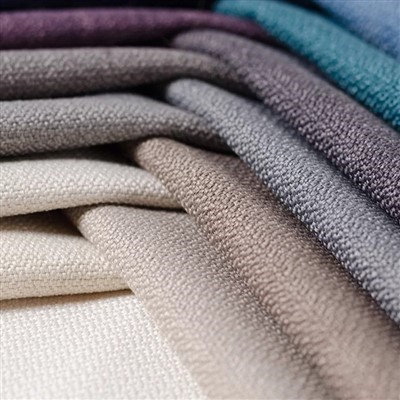
If you’re a designer, manufacturer, or anyone working on a project that uses stretch fabric, don’t overlook weight. It’s not just a number on a bolt—it’s the difference between leggings that hold their shape for a year and ones that stretch out after a month, between slipcovers that look crisp for years and ones that bag, between compression garments that work as intended and ones that don’t meet safety standards. If you’re not sure what weight is right for your project, or if you want to test samples of different weights to see how they perform, reach out. I work with small startups and large brands alike, and I’m happy to walk through the options with you, answer any questions, and help you find the perfect stretch fabric for your needs.
Sweatshirt Fleece References
- Textile Institute. (2019). Stretch Fabrics: Technology and Applications. Woodhead Publishing.
- ASTM International. (2021). Standard Test Method for Mass per Unit Area of Fabric (D3776).
- Kim, S., & Lee, J. (2020). The Effect of Fabric Weight and Knit Structure on the Stretch and Recovery Properties of 4-Way Stretch Fabrics. Journal of Textile and Apparel, Technology and Management, 11(2), 1–12.
- American Society for Testing and Materials. (2018). Standard Guide for Selection of Upholstery Fabrics for Residential Use (D7838).
Shaoxing Xinlian Dyeing & Weaving Industrial Teade Co., Ltd.
We’re well-known as one of the leading stretch fabric manufacturers and suppliers in China. With a professional production team, we are able to meet the needs of the majority of our customers. Please rest assured to wholesale bulk customized stretch fabric from our factory.
Address: Building 3-2, Huangxian Village, Lanting Subdistrict, Keqiao District, Shaoxing City, Zhejiang Province, China
E-mail: inquiryxinlian@163.com
WebSite: https://www.xinliantextile.com/
