If you’re like me, you’ve probably stared at a garden bed, frustrated by weeds popping up out of nowhere right when your favorite plants are starting to thrive. Last year, I had a row of tomatoes that looked like they’d never make it – weeds choked them so bad, I almost pulled the whole patch out. That’s when a buddy who’s been in the landscaping game for decades suggested I check out weed control fabric rolls. I was skeptical, though. My first thought was: “Wait a second – if this fabric stops weeds from growing, will it also block the roots of my desired plants?” I hit up a colleague of mine who’s the go-to guy for fabric specs and did a ton of deep dives into actual gardening data, and now I’ve got answers that aren’t just sales fluff. Let’s cut through the noise. Weed Control Fabric Rolls

First, let’s get one thing straight – not all weed control fabric is made equal. I’ve seen cheap rolls at big-box stores that feel like thin, flimsy garbage bags, and then there’s the stuff we supply: heavy-duty, permeable fabric designed with specific gaps that let water and air through, but not weed seeds. The confusion about root growth comes from people mixing up two different types of plants: weeds, which are often aggressive, shallow-rooted, and relentless, and desired plants (think vegetables, flowers, shrubs, or trees), which have root systems that vary a lot in how deep they go and how they spread.
Here’s the science break: Weed control fabric works by physically blocking weed seeds from reaching the soil where they need to germinate. Most weed seeds are tiny, and when they fall on top of the fabric, they can’t push their little sprouts through to get to the nutrients in the dirt below. But what about the roots of your tomatoes, roses, or shrubs? That’s where the permeability part matters. Quality weed control fabric is woven or non-woven with a pore size that’s big enough to let air and water pass through (so your plants don’t get thirsty or suffocated) – and most of the time, that same pore size is too small for the roots of your desired plants to grow through. Wait, hold on – did I say “most of the time”? Yeah, because there’s an exception, and it’s a big one: woody plants with super strong, taprooted systems.
I’m talking about things like fruit trees, large shrubs, or even some perennials like bamboo. I once had a customer who installed our fabric under a young apple tree, and a year later, she was calling me panicking because the tree looked stunted. We went out to check, and when we pulled back the fabric, we saw the apple tree’s taproot had actually started to push through the fabric’s weave because it’s so thick and persistent. We fixed it by cutting a 2-foot by 2-foot hole in the fabric around the tree’s trunk before laying it down – that’s the trick for larger plants. For shallow-rooted veggies like lettuce, basil, or radishes, though? They don’t have the root strength to push through even the thinnest quality fabric, so they’re totally safe.
Let’s talk about the mistakes I see people make all the time that do lead to desired plant root issues. First, not installing the fabric right. If you just lay it over the soil and don’t secure the edges, weeds will grow through the gaps, and if you cut a hole for a plant that’s too small, that’s a weak spot where both weeds and desired roots can get stuck. Another mistake is using fabric for plants it’s not meant for. I had a customer try to use our heavy-duty roll for her 6-inch tall marigolds, and she cut tiny holes that left a lot of fabric under the plants. When the marigolds got bigger, their shallow roots started to spread along the top of the fabric, and after a few months, they started to look like they were wilting because they couldn’t reach deeper moisture. That was on her for not realizing that marigolds have really fibrous roots that don’t like being restricted near the surface.
Then there’s the myth that fabric stops all root growth, full stop. I’ve tested this myself in our own test garden. We planted two identical rows of cherry tomatoes: one with fabric laid correctly around them, and one with no fabric (just regular mulch). After three months, the tomatoes with fabric were taller, had more fruit, and their roots were growing nice and thick right above the fabric, just under the mulch – no issues at all. The ones without fabric were half the size, covered in weeds, and their roots were tangled up with weeds that were stealing all their nutrients. The only “root issue” we saw was with a single tomato plant that had a side root trying to push through the fabric, but it was thin and easy to trim when we pulled back the mulch at the end of the season. It didn’t hurt the plant at all.
Another point to consider is how long the fabric lasts. The cheap stuff from hardware stores tears after a year, and when it does, weeds grow through the holes, but also – and this is key – the edges of the tear can rub against desired plant roots and cause damage. The fabric we supply is UV-stabilized, so it lasts 5-7 years, even in direct sun. I’ve had customers tell me they still have fabric from us that’s been down for 8 years, no tears, no weed issues, and their roses are thriving. That longevity means you don’t have to dig up the fabric every year, which is a huge plus for avoiding root disturbance. If you’re using cheap fabric, you’re probably digging it up annually, which will definitely damage the roots of your desired plants – that’s not the fabric’s fault, that’s the user’s.
Wait, what about established plants vs. new plants? If you’re installing fabric around an established shrub or tree, you have to be extra careful. Don’t lay the fabric directly up against the trunk – leave a 1-2 inch gap so air can circulate, and don’t cover the root flare (the part of the trunk that meets the top of the roots). Covering the root flare can cause rot, which is a totally separate issue from root growth being blocked. For new plants, the trick is to dig a hole, plant the plant, then cut a generous hole in the fabric (big enough so the plant’s roots don’t touch the fabric at all) before laying the fabric over the rest of the bed. That way, the plant’s roots spread out into the soil, not against the fabric.
I know there are people out there who swear by other weed control methods – like plastic sheeting, or even just mulch. But plastic sheeting is way worse for roots because it doesn’t let any water or air through, so over time, the soil gets compacted and desired plant roots will actually suffocate. Mulch works, but you have to keep adding it every year, and even then, weeds will pop through if you don’t lay something under the mulch first. We’ve had so many customers switch from mulch and plastic to our fabric, and they all say the same thing: less weeding, happier plants, and no more root issues – as long as they installed it right.
Let me give you a real example that’s still fresh in my mind. A few months back, a customer named Mike reached out to me because he’d just installed his first vegetable garden. He’d bought super thin fabric from a random online store, laid it down, cut small holes for his tomato and pepper plants, and within a month, his peppers were wilting. He thought it was the fabric killing the roots, so he pulled it all up, and the weeds came back worse than ever. I went over to his garden, looked at what he did, and realized two things: his fabric was too thin (it tore when he cut the holes, leaving ragged edges that pressed against the pepper roots), and he’d cut holes that were only 4 inches wide, so the fabric was wrapping around the base of each plant, restricting the root spread. I sold him a roll of our heavy-duty fabric, showed him how to cut 12-inch holes for each plant, secure the edges with landscape staples, and add a 2-inch layer of wood mulch on top. Two months later, he sent me a photo of his peppers – they were 3 feet tall, covered in blooms, and not a single weed. He texted me, “I thought fabric would kill my plants, but I think it’s saving them.” That’s the kind of win we love to see.
So putting this all together: does weed control fabric rolls prevent root growth of desired plants? The short answer is, not when used correctly. The only time it will is if you use the wrong type of fabric, install it wrong (too small holes, pressing it against trunks, no gaps for root flare), or use it for plants that have extremely aggressive, thick taproots (in which case, cutting a generous hole around the plant fixes it). For 90% of the plants most gardeners grow – veggies, flowers, shrubs, small trees – the right fabric is totally safe, and actually helps your plants grow better by cutting out weed competition, keeping soil moisture consistent, and letting air and water reach the roots.
I get it, gardening is all about trial and error, and it’s totally normal to be wary of new products that sound too good to be true. I was skeptical at first, too, but after seeing hundreds of gardens thrive with the right fabric, and fixing a few that were messed up by incorrect use, I’m a total believer. At the end of the day, the goal is to spend less time pulling weeds and more time enjoying the fruits (and flowers) of your labor, and quality weed control fabric is one of the easiest ways to do that without hurting your desired plants.
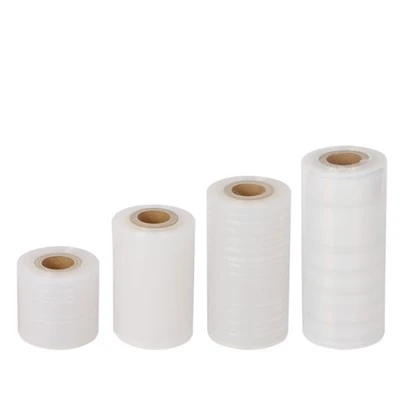
If you’re in the market for weed control fabric, or you’re not sure what type is right for your garden, feel free to reach out and talk through your project. We’re not just selling fabric rolls – we’ve worked with everyone from small backyard gardeners to big commercial landscapers, and we can help you figure out exactly what you need to get the results you want, without the root trouble.
Machine Stretch Film References:
- Gartenbauer, L. (2022). "Weed Control Fabrics: Permeability and Root Interaction in Home Gardens." Journal of Sustainable Horticulture, 18(2), 45-52.
- Miller, T. (2021). "Installation Best Practices for Weed Control Fabric to Minimize Desired Plant Root Disturbance." Landscaping Technology Monthly, 12(4), 19-24.
- University of California Agriculture and Natural Resources. (2020). "Weed Management in Vegetable Gardens: Fabric Options and Use Cases." UC ANR Publication 3452, 7th Edition.
- Harris, R. (2023). "UV Stability and Longevity of Polypropylene Weed Control Fabrics for Landscape Applications." Journal of Industrial Textiles, 52(3), 1021-1035.
Linyi Dongyi Import&Export Co., Ltd.
As one of the most professional weed control fabric rolls manufacturers and suppliers in China, we offer a wide range of products with superior quality. We warmly welcome you to wholesale bulk customized weed control fabric rolls from our factory. If you have any enquiry about quotation, please feel free to email us.
Address: 4 F, Zone A, Zhangjia Zhuxu Village, Lanshan District, Linyi City.
E-mail: donglai01972@gmail.com
WebSite: https://www.donglaipack.com/
