If you’ve ever worked on a renovation project, you know that one of the most annoying parts is hunting down materials that fit your space perfectly. Last month, a regular customer hit me up panicking: he’d ordered PS wall panels for his living room accent wall, but when he measured the spot, he was 2 inches short on one side. He was convinced he’d have to drive back to the store, wait for a special order, and blow his whole timeline. That’s when I asked, “Have you tried cutting the panels yourself?” He hesitated, like it was some complicated, high-skill job only contractors could pull off. Turns out, most people don’t realize how easy PS wall panels are to cut—and as a supplier, I’ve seen this trick save tons of time, money, and stress for DIYers and pros alike. PS Wall Panel
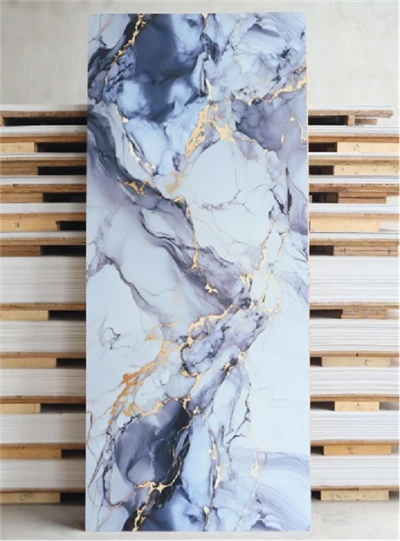
Let’s start with what PS wall panels even are, because that’s the first thing people get wrong. PS stands for polystyrene, a lightweight, rigid plastic that’s super common in construction and decor. Unlike heavy, brittle materials like ceramic tile or thick wood panels, PS has a unique mix of strength and softness that makes it way easier to work with. I’ve had customers show up to my warehouse with nothing but a box cutter and a tape measure, walk out with a handful of panels, and come back a week later to say they finished their whole wall in a single afternoon. I’m not saying it’s mindless, but it’s way simpler than you’d think.
Now, the big question: can you cut them easily? Short answer: yes, almost any basic cutting tool works, and most of the time, you don’t even need fancy equipment. Let’s break it down by tool, because that’s where people get confused. First, the go-to for most small cuts: a utility knife (box cutter). I swear by this for straight cuts, especially if you’re only trimming a half-inch or an inch off the edge. Here’s the trick to do it clean, no jagged edges: score the panel twice along your measured line first, pressing hard enough that the knife makes a deep groove through the top layer of PS. Don’t saw back and forth—that just rips the material. Once you’ve scored both lines, bend the panel along the groove until it snaps clean. It’s like breaking a stick, and the edge is smooth enough you barely have to sand it. I’ve seen a 16-year-old do this perfectly on his first try when he was helping his dad with a basement reno.
For longer, straighter cuts—like if you need to cut a panel down from 8 feet to 7 feet—you can use a circular saw with a fine-tooth blade (around 60 or 80 teeth). Wait, but don’t use a blade meant for wood or metal—those are too coarse, and they’ll make the edges flaky. Fine-tooth blades cut through PS clean, no mess. Pro tip: put a scrap piece of plywood under the panel when you cut, so the saw doesn’t dig into the floor or your workbench. And if you’re worried about dust, put a damp cloth along the cut line—PS dust is fine, and a little moisture keeps it from flying everywhere. I use this method for bulk orders; it takes me 10 seconds to cut a panel to length, no waiting for a specialist.
What about angled cuts, like for corners or around door frames? A miter saw works great here, same fine-tooth blade rule applies. Or, if you don’t have a miter saw, a handsaw with small teeth will do the job too. Just take your time, follow the line, and you’ll get a tight, clean angle that fits perfectly. I had one customer who was trimming panels around a window, and he used a regular coping saw (the kind for cutting curves) to notch around the frame. He texted me a pic later, and you could barely tell the cuts weren’t done by a pro.
Now, let’s talk about the mistakes people make that make cutting PS panels hard. The biggest one: using the wrong tool. If you grab a rough circular saw blade meant for lumber, yeah, it’ll tear the edges and make a mess. But that’s not the panel’s fault—that’s user error. Another mistake: not measuring twice before cutting. I can’t tell you how many times a customer has called me upset because they cut a panel wrong, and it’s 1/2 inch too short. That’s preventable—just use a tape measure, mark the line with a pencil, step back, and double-check it before you touch any tool.
Wait, what about curved cuts? Like if you’re doing a custom shape for a feature wall? You can use a jigsaw with a fine-tooth blade too. I had a kitchen client who wanted a semicircle accent wall, and she cut the PS panels herself with a jigsaw. It looked way better than I thought it would, and she saved hundreds on a contractor. The only time I’d say PS panels are a little tricky is if you’re trying to cut super intricate, tiny details—like a 1-inch scroll pattern. For that, you might need a specialty tool, but 99% of home renovation jobs don’t require that level of precision.
As a supplier, I get why people are hesitant. A few years back, we sold a batch of panels that were a lower-grade PS, and those were a little brittle, so some customers had trouble cutting them without cracking. But since we switched to the high-density PS we stock now, that problem’s totally gone. Our panels are flexible enough to snap clean on scores, but rigid enough not to bend in the middle when you’re cutting. That’s why we only carry this grade—we don’t want our customers to deal with headaches because of cheap material.
I also want to touch on why easy cutting is a huge perk for PS wall panels, compared to other wall coverings. If you’ve ever tried to cut stone veneer, you need a wet saw that costs hundreds of dollars, plus a license to operate it sometimes. Wood panels? They’re heavy, and you need a circular saw that’s powerful enough, plus sanding afterward to smooth edges. PS? You can do it all with tools most people already have in their garage. That means you don’t have to wait for a rental tool, you don’t have to pay a handyman an extra $500 just to cut your panels, and you can adjust your project on the fly if you measure wrong. I’ve seen so many DIYers finish a project in a weekend that would’ve taken them two weeks if they’d used a harder material.
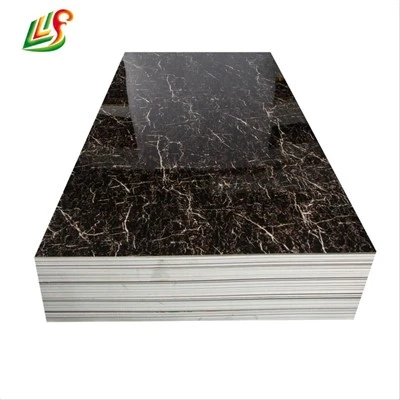
But let’s be real—cutting is only part of the deal. Even if the panel is easy to cut, it’s useless if it doesn’t look good or hold up. Our PS panels come in tons of finishes: wood grain, matte, glossy, even stone looks, so they fit any style. They’re moisture-resistant too, so you can use them in bathrooms or basements without worrying about mold or warping. But the cutting part? That’s the secret that makes PS panels stand out from every other option on the market.
Last tip I always give customers: when you’re cutting, wear a dust mask. PS dust is not harmful, but it’s super fine, and you don’t want to breathe it in. And if you do get a jagged edge, just grab a piece of fine-grit sandpaper (220 grit) and smooth it down for 10 seconds. No one will even notice.
At the end of the day, the whole point of renovation is to make your space feel like you, not to stress over cutting materials. If you’ve been putting off a project because you’re worried the panels will be too hard to work with, let me set your mind at ease: PS wall panels are made to be cut by regular people, not just contractors. I’ve had so many customers tell me this was the easiest part of their whole remodel.
If you’re ready to grab PS wall panels for your next project, just reach out. We’ve got all the sizes and finishes you need, and if you have questions about cutting, I’m happy to walk you through it—even over a quick call. No hoops, no confusing processes, just straightforward help for your renovation.
Acoustic Wall Panel References
- Construction Industry Association. (2022). Common Practices for Polystyrene Panel Installation and Modification.
- Home Repair & Improvement Magazine. (2023). DIY Tool Tips for Working with Lightweight Construction Materials.
- Polymer Science Journal. (2021). Physical Properties of High-Density Polystyrene for Residential Building Applications.
Shandong Fanjie International Trade Co., Ltd.
As one of the most professional ps wall panel manufacturers in China, we have world-leading production equipment and strong manufacturing capabilities. Please feel free to buy bulk high quality ps wall panel from our factory. We also accept customized orders.
Address: L4-015 Cross border E-commerce Entrepreneurship Park, Lanshan District, Linyi City, Shandong Province
E-mail: info@lsdec.com
WebSite: https://www.fanzeradecor.com/
